Skip to content

Cart

Your cart is empty

THE BLACK BOOK

Early access to new editions, The Vault, and everything the House keeps for those who understand why.

FERRARI 250 GTO – THE ETERNAL FORM

Quentin Martinez

The same car. The same photograph. Stripped of colour.

What remains when you remove the Blu Genziana, the green grass, and the golden hour is the shape itself — the long hood, the fastback roofline, the haunches that Giotto Bizzarrini and Sergio Scaglietti drew in a wind tunnel at the University of Pisa. The Ferrari 250 GTO was designed to win a championship. Its form was dictated by aerodynamics, not aesthetics. That it became one of the most revered shapes in automotive history was a consequence, not an intention.

This is chassis #3387GT — the second 250 GTO completed. In black and white, without the distraction of paint or light, the Kamm tail, the wire-spoke Borrani wheels, and the hand-hammered aluminium panels read as pure geometry. The car is no longer a specific colour in a specific moment. It is the form that has not changed in sixty years and will not change in sixty more.

A study in the aerodynamic purity of an automotive icon.

Limited edition archival aluminium print. Signed and numbered. Edition of 25. Made in Italy.

Limited Edition (25 pcs)

Made in Italy

Archival Aluminum Print

Ready to Hang


Size:
SIZE GUIDE & MATERIAL SPECIFICATIONS

FINE ART PAPER PRINTS We use Hahnemühle Photo Rag 308gr — a 100% cotton, museum-grade paper from one of the world’s oldest fine art paper mills (founded in 1584). Every piece is Giclée printed with archival pigment inks to ensure deep, stable tones that will last for generations.

  • A3 (30 × 42 cm): Framed in a slim, elegant pine profile.

  • A2 (42 × 60 cm): Framed in a Premium Tiglio (lime wood) profile, hand-painted black.

  • Statement Piece (85 × 60 cm): Framed in a Premium Tiglio (lime wood) profile, hand-painted black.

All framed prints are finished with museum-grade acrylic glazing (plexiglass), the standard material used by galleries worldwide for safe transport, superior clarity, and lasting protection. The framed option adds a small, refined outer border beyond the print size.

ALUMINUM PRINTS Offered in two large-scale formats:

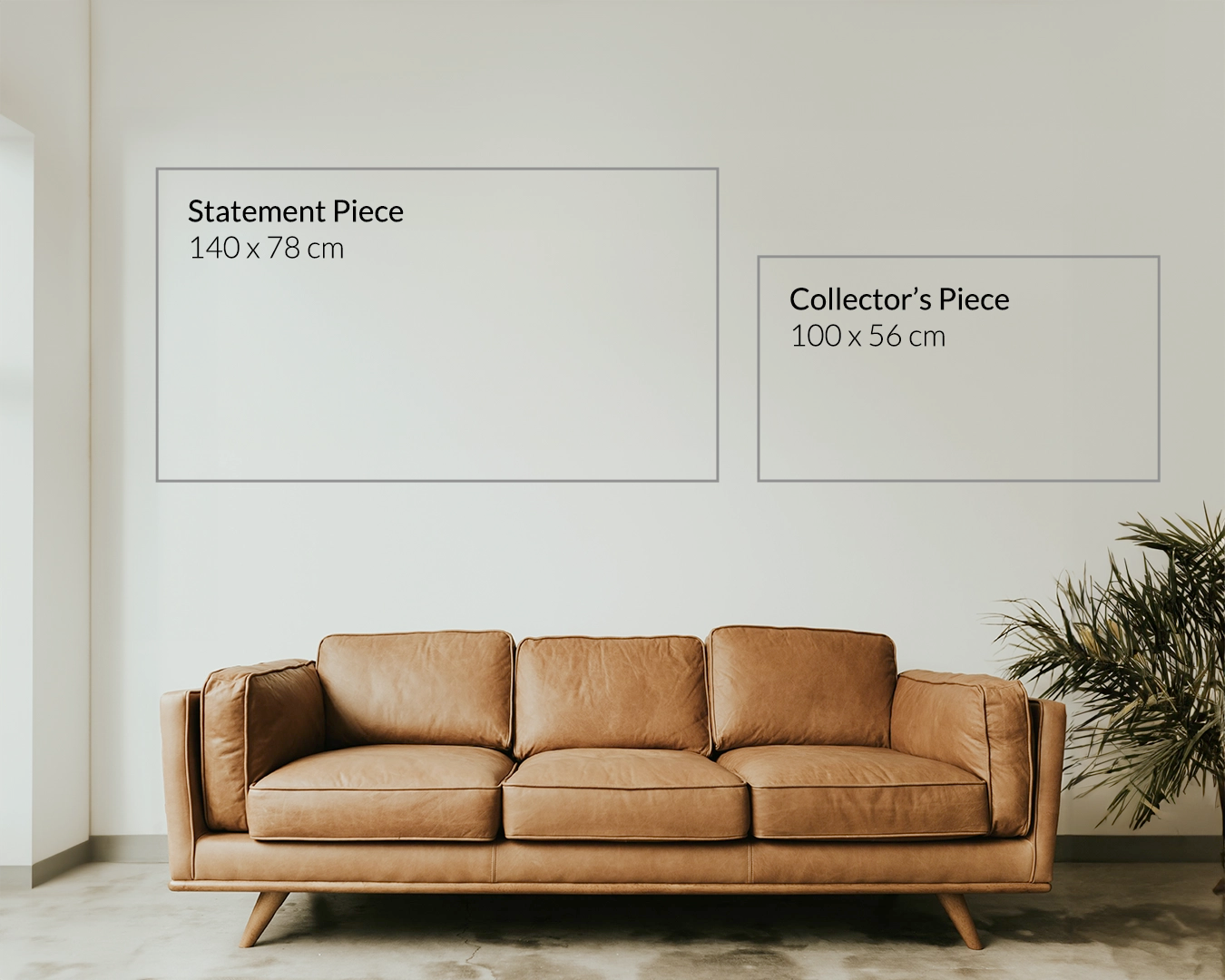
  • Collector’s Piece (approx. 100 cm wide)

  • Statement Piece (approx. 140 cm wide)

Printed on a 3 mm aluminum panel, finished on a white or brushed aluminum base (depending on what best elevates the image). Height varies by artwork — please refer to the specific product images for exact dimensions.

Aluminum Display Notes: For large formats, we recommend leaning the piece. If wall-mounted, use professional hardware suitable for the weight and surface.

Click here for more

Sale price€596,00

Dispatched within 5–7 days · Free shipping Europe

100% Satisfaction Guarantee. Quality art, printed in Italy. Safe, insured shipping.

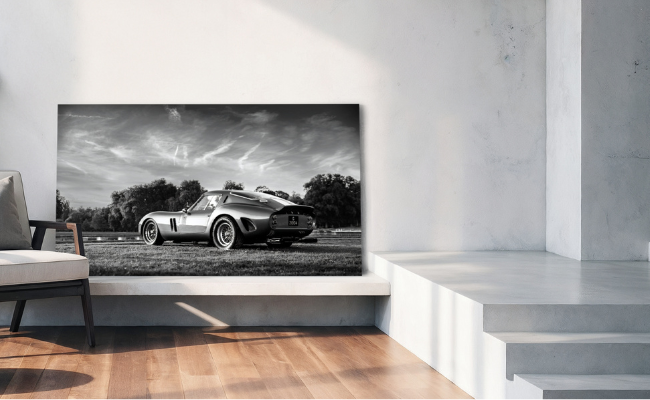
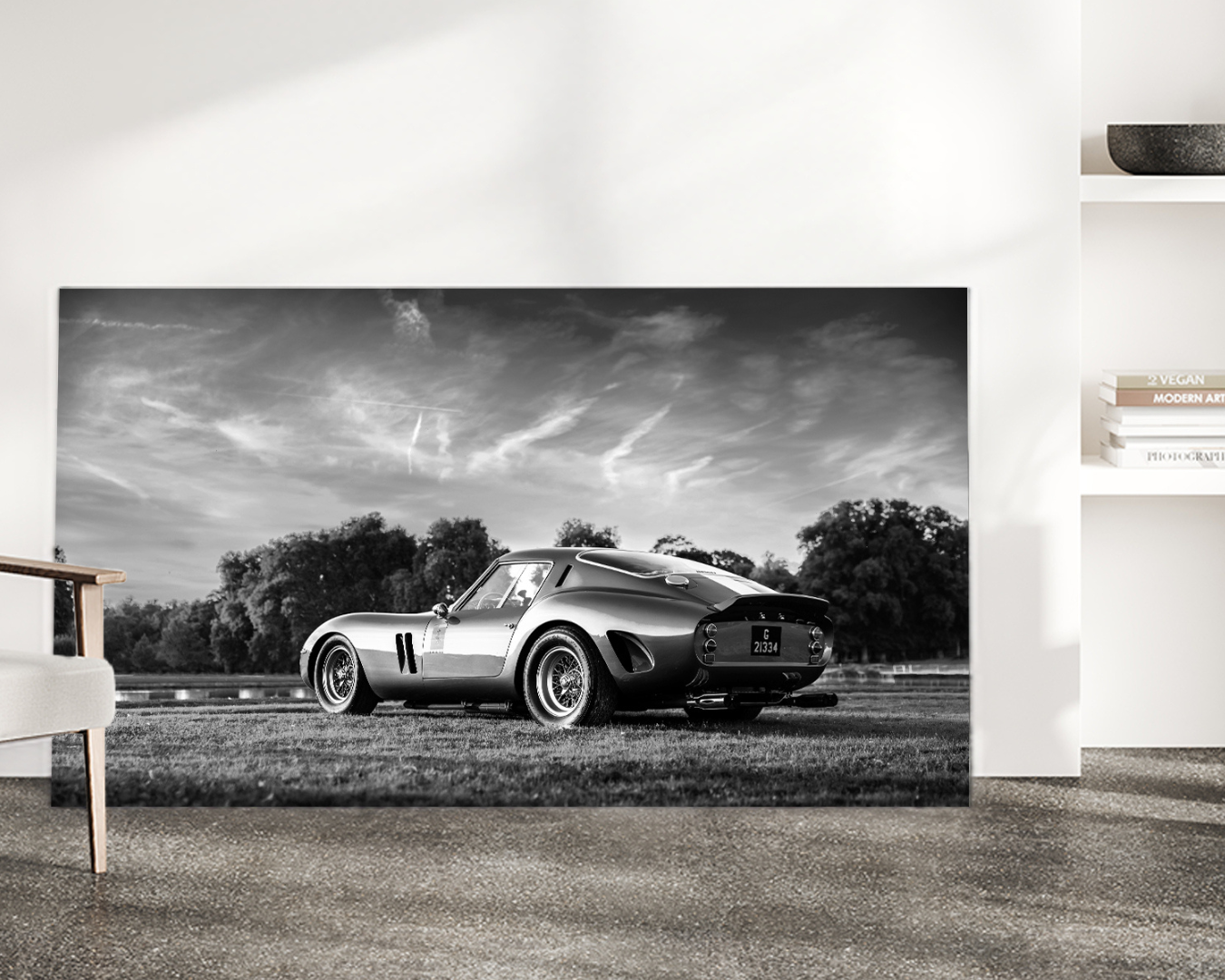
Ferrari 250 GTO chassis 3387GT in black and white showing full profile with long hood fastback roofline and Kamm tail
FERRARI 250 GTO – THE ETERNAL FORM Sale price€596,00

ALUMINIUM PRINT

Edition Details

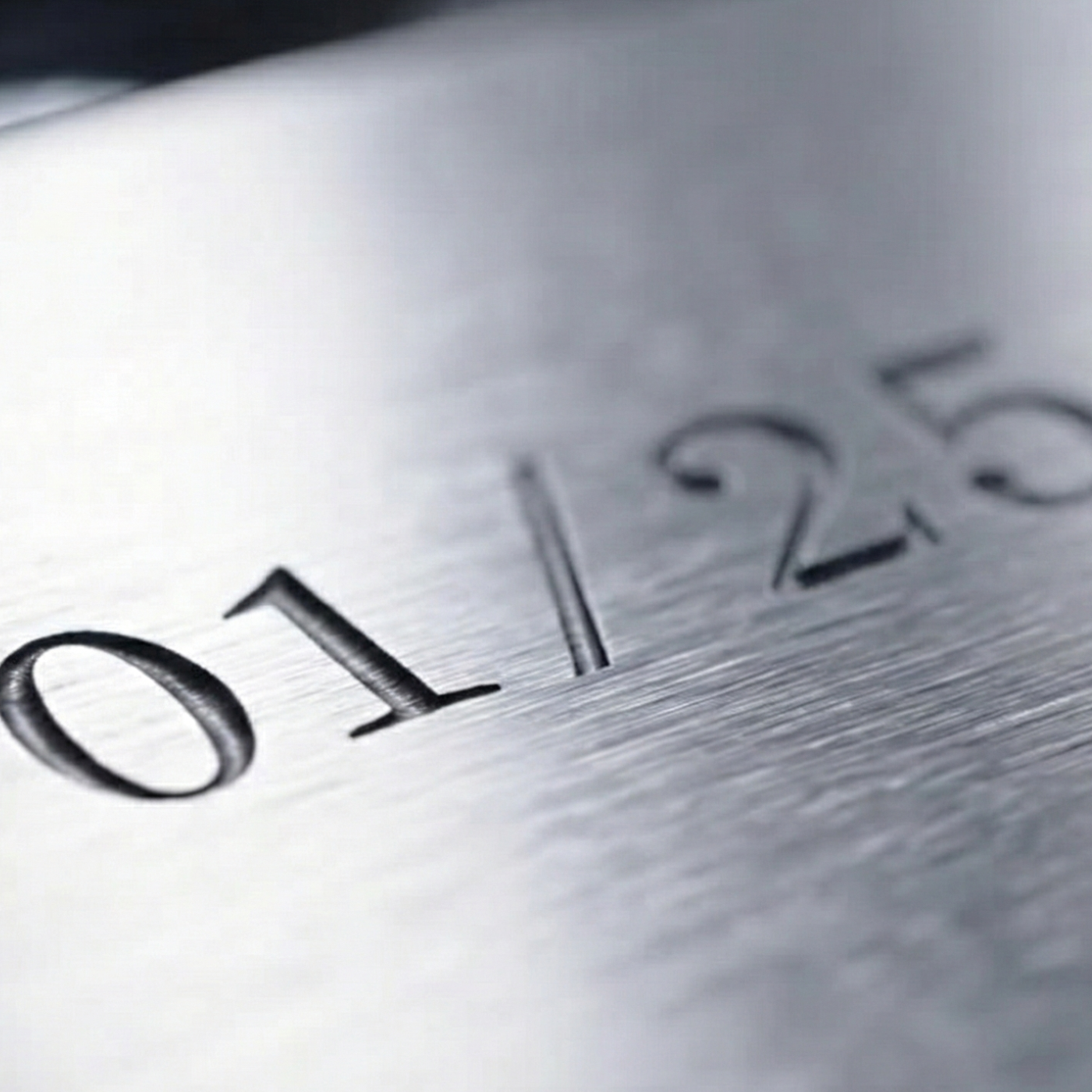
Close-up of '01/25' engraved on a brushed metallic surface

ONLY 25 PRINTS

Each piece is part of a strictly limited edition of 25 — shared across both sizes combined. Every certificate reads 1 of 25. The edition is not divided by size or format. Every buyer owns the same piece.
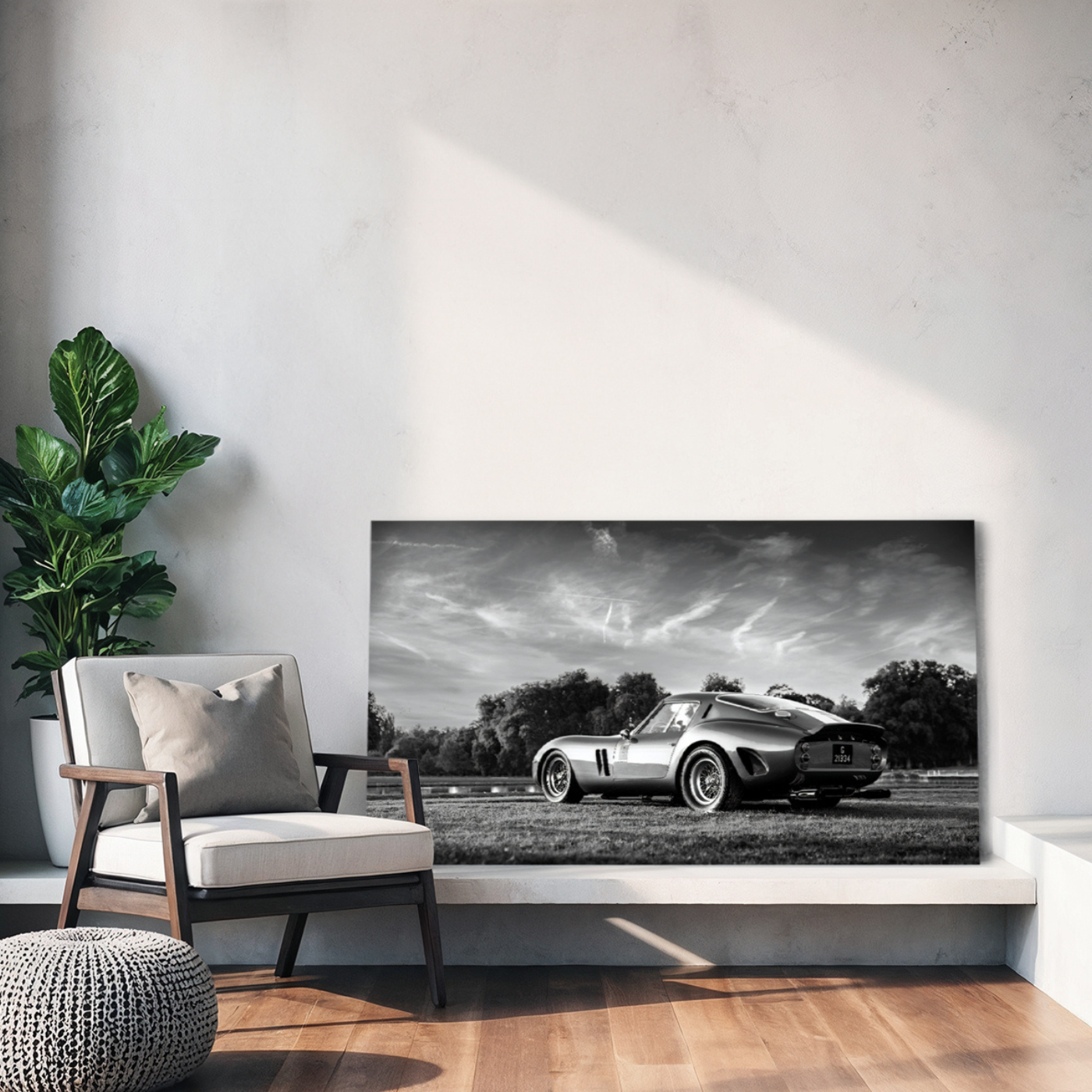
A black and white photograph of a vintage silver Ferrari 250 GTO parked on grass.

ALUMINIUM PRINT

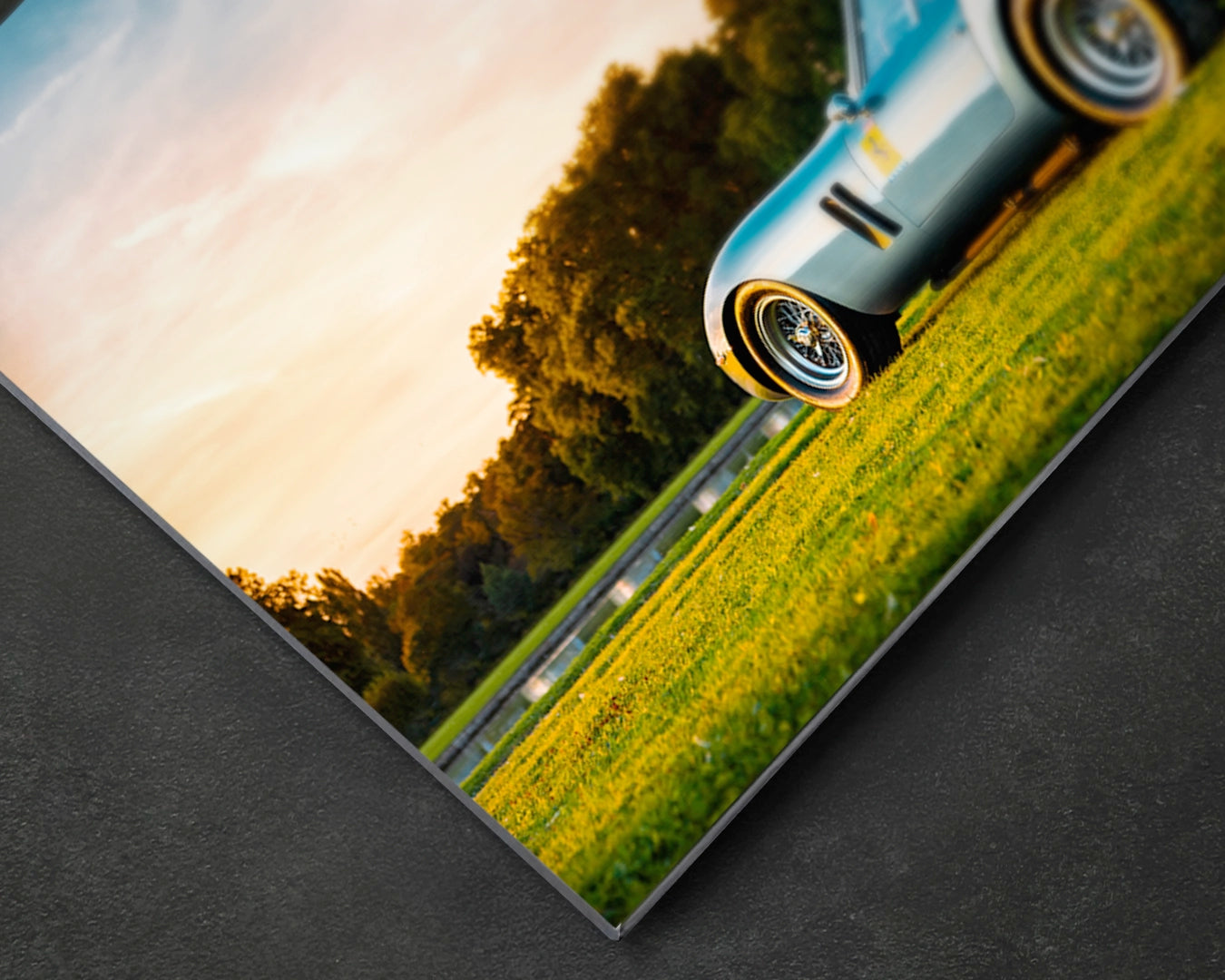
Printed on a 3mm aluminium panel with archival pigment inks. Deep colour saturation, crisp detail, and a soft satin surface with minimal glare. Lightweight, rigid, and built to last for decades without fading or degradation.
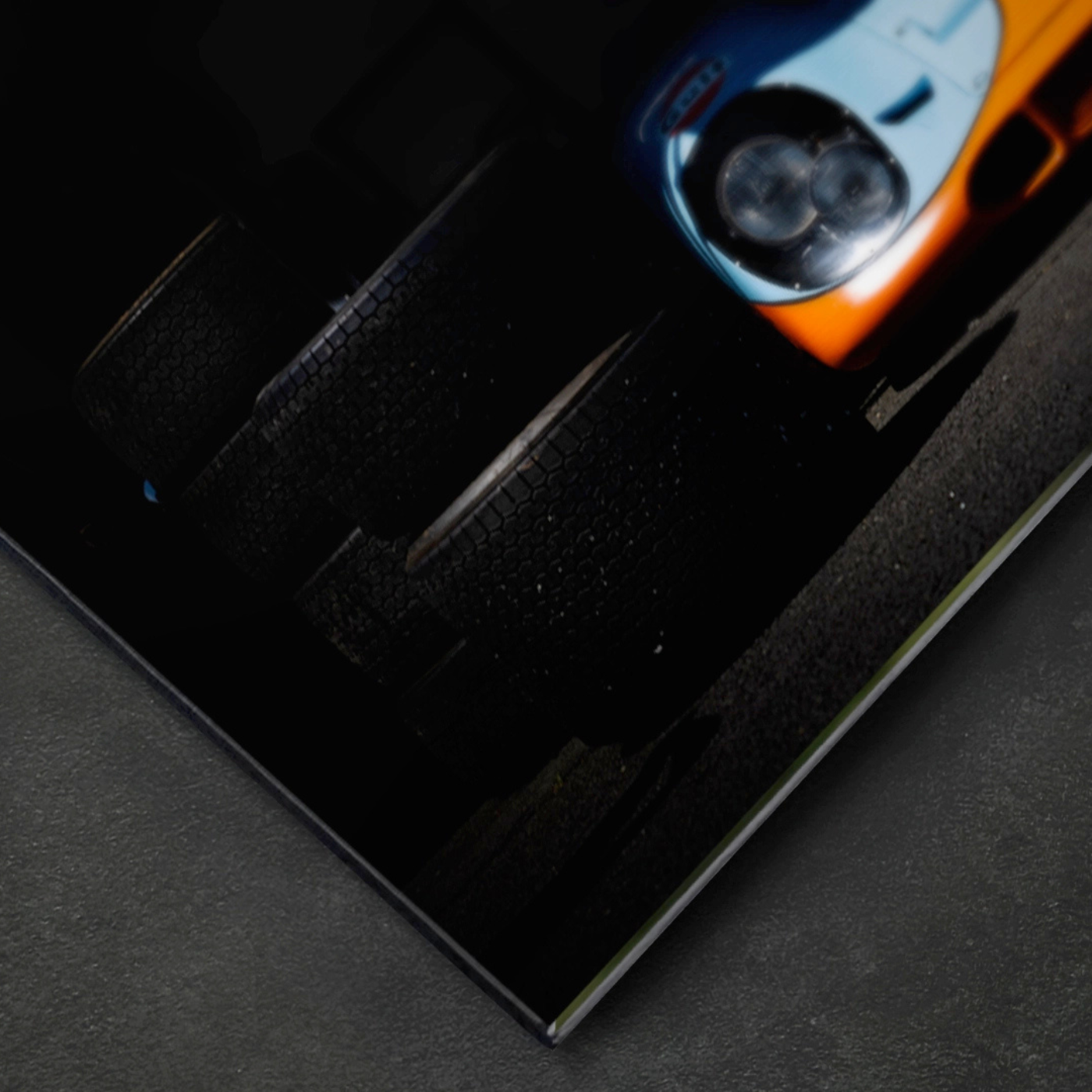
Porsche 917 classic racing car

FRAMELESS & READY

The aluminium panel arrives ready to display — no framing required. Lean it on a surface or hang it directly on the wall. The slim edges and clean surface work in any space.

Still Motion Signature
THE FERRARI 250 GTO WAS DESIGNED IN A WIND TUNNEL AT THE UNIVERSITY OF PISA BY GIOTTO BIZZARRINI. ITS FORM WAS DICTATED BY AERODYNAMICS, NOT AESTHETICS. THAT IT BECAME ONE OF THE MOST REVERED SHAPES IN AUTOMOTIVE HISTORY WAS A CONSEQUENCE, NOT AN INTENTION.

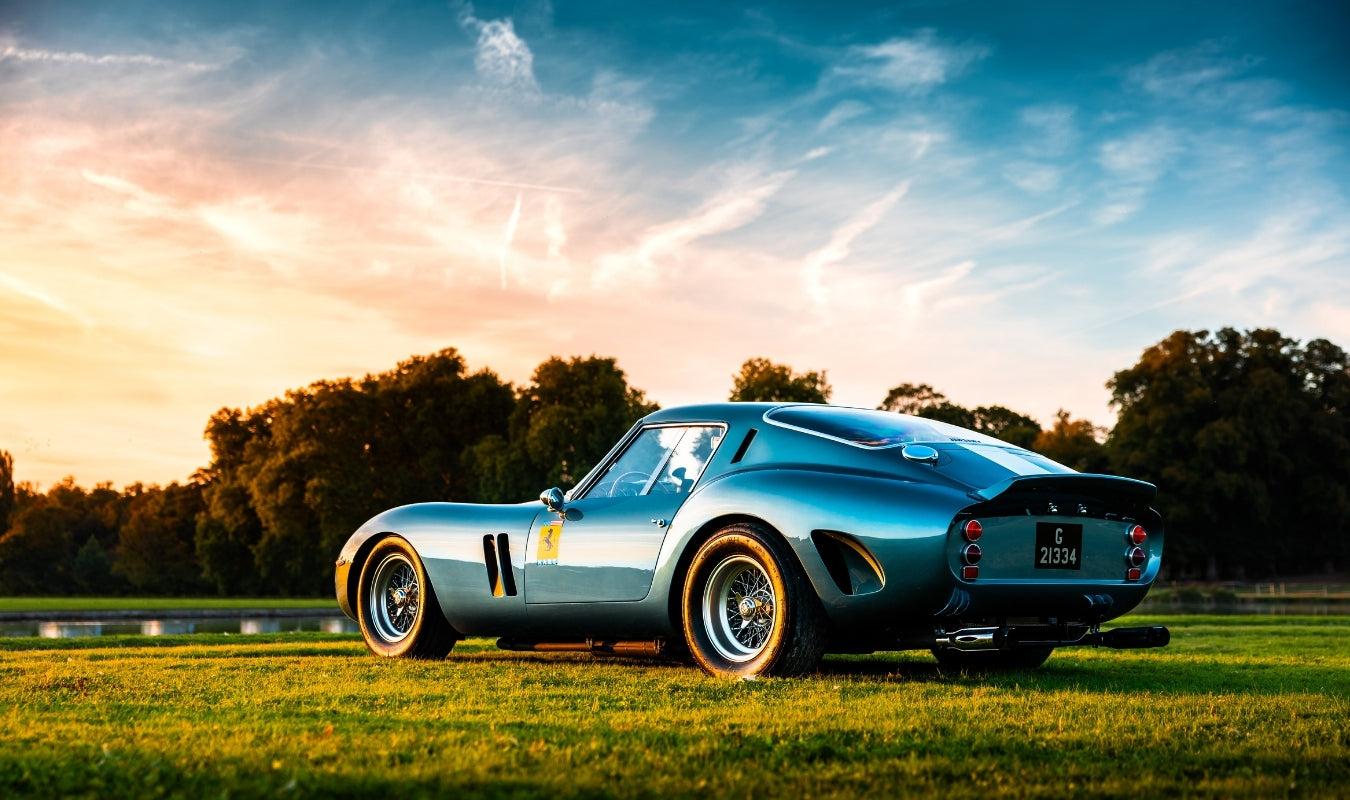
light blue Ferrari 250 GTO

THE SECOND CAR BUILT

The Ferrari 250 GTO was built for a single purpose: to win the FIA World Championship of Makes for Gran Turismo cars. Enzo Ferrari needed a minimum of 100 units for homologation. He built 36. The FIA accepted the car on the basis that it was an evolution of the 250 GT, not a new model — a creative interpretation of the rules that has become one of the most famous episodes in the history of motorsport regulation. The GTO designation stands for Gran Turismo Omologato: Grand Touring, Homologated.

Chassis #3387GT was the second Ferrari 250 GTO completed at Maranello. It was hand-finished in March 1962 and delivered to Luigi Chinetti — the Italian-American driver, dealer, and founder of the North American Racing Team (NART) who had won the 24 Hours of Le Mans three times and was responsible for importing Ferrari to the United States. The car was originally finished in Blu Genziana with a white central stripe, a colour combination specific to NART entries. Ferrari sold it to Chinetti for $9,700.

On 24 March 1962, chassis #3387GT became the first Ferrari 250 GTO to race. Entered at the 12 Hours of Sebring as a NART car, it was driven by Phil Hill — the reigning Formula One World Champion — and Olivier Gendebien. They finished second overall and first in the GT class. The car returned to Maranello for preparation and was then entered at the 24 Hours of Le Mans in June 1962, driven by Bob Grossman and George Roberts Jr. It finished sixth overall and third in class. Grossman continued to race the car through 1962 and into 1963, accumulating 27 races and 16 podium finishes.

The car’s subsequent history is as extraordinary as its racing career. In 1964, Mike Gammino crashed it during practice for the Daytona 2000 when a wheel collapsed on the banking. The rear frame and body were rebuilt by Vaccarri in Modena. In the 1970s, a new aluminium body was fabricated during a restoration in California. In 1989, the car was stolen by six men from the Savannah area — the mastermind was a motorcycle dealer who faxed potential buyers on his own fax machine. The FBI recovered the car the same day. In 2017, chassis #3387GT sold privately for $44 million, making it one of the most expensive cars ever traded.

The Ferrari 250 GTO is powered by a Colombo V12 engine — the Tipo 168/62 Comp — displacing 2,953 cc with six Weber 38 DCN carburettors, producing approximately 300 horsepower. The body was designed by Giotto Bizzarrini and Sergio Scaglietti, with wind tunnel testing at the University of Pisa under Bizzarrini’s direction. The result was a shape so aerodynamically efficient and so visually coherent that the Ferrari 250 GTO has been recognised as a work of art — literally. Chassis #3387GT was exhibited at the Frist Art Museum in Nashville in 2016 as part of a Ferrari exhibition.

This photograph presents chassis #3387GT in black and white. The removal of colour strips the car to its fundamental proportions — the long hood, the fastback roofline, the Kamm tail, the flared haunches. Without the Blu Genziana paint, without the green grass, without the warm light, what remains is the shape that Bizzarrini and Scaglietti created. It is the form that has endured for over sixty years and will endure for sixty more. On aluminium, the black and white rendering gains a tonal depth and a metallic surface quality that paper cannot achieve — the same material logic that governed the car itself.

Our Curation

We chose this frame for one reason: restraint. Every photograph of the 250 GTO competes for your attention with its colour, its setting, its mythology. This one refuses to compete. Quentin Martinez shot it low and wide, letting the car fill the frame without theatrics. The black-and-white treatment isn't nostalgia — it's a deliberate edit, the same way a great sculptor knows what to remove. This is the piece for the collector who already knows what the GTO is. It doesn't need to explain itself.

GOING DEEPER

COLLECTING

What it means to own a Still Motion edition — the standard, the certificate, the care.

What collectors should know

committed

The principles behind every piece we produce and every decision we make.

Our commitments

Why We Choose Aluminium

Vibrant & Luminous

Metal holds light differently. Colours reach a depth and intensity that paper cannot replicate — because aluminium doesn't just carry the image. It shares its DNA with the subject.

Built to Last

A 3mm archival panel, resistant to fading and built for real spaces. These are not posters. They are made to outlast the walls they hang on.

Modern & Frameless

No frame competes with the image. Slim edges, clean surface — leaned against a sideboard or mounted with spacers, the photograph owns the room.
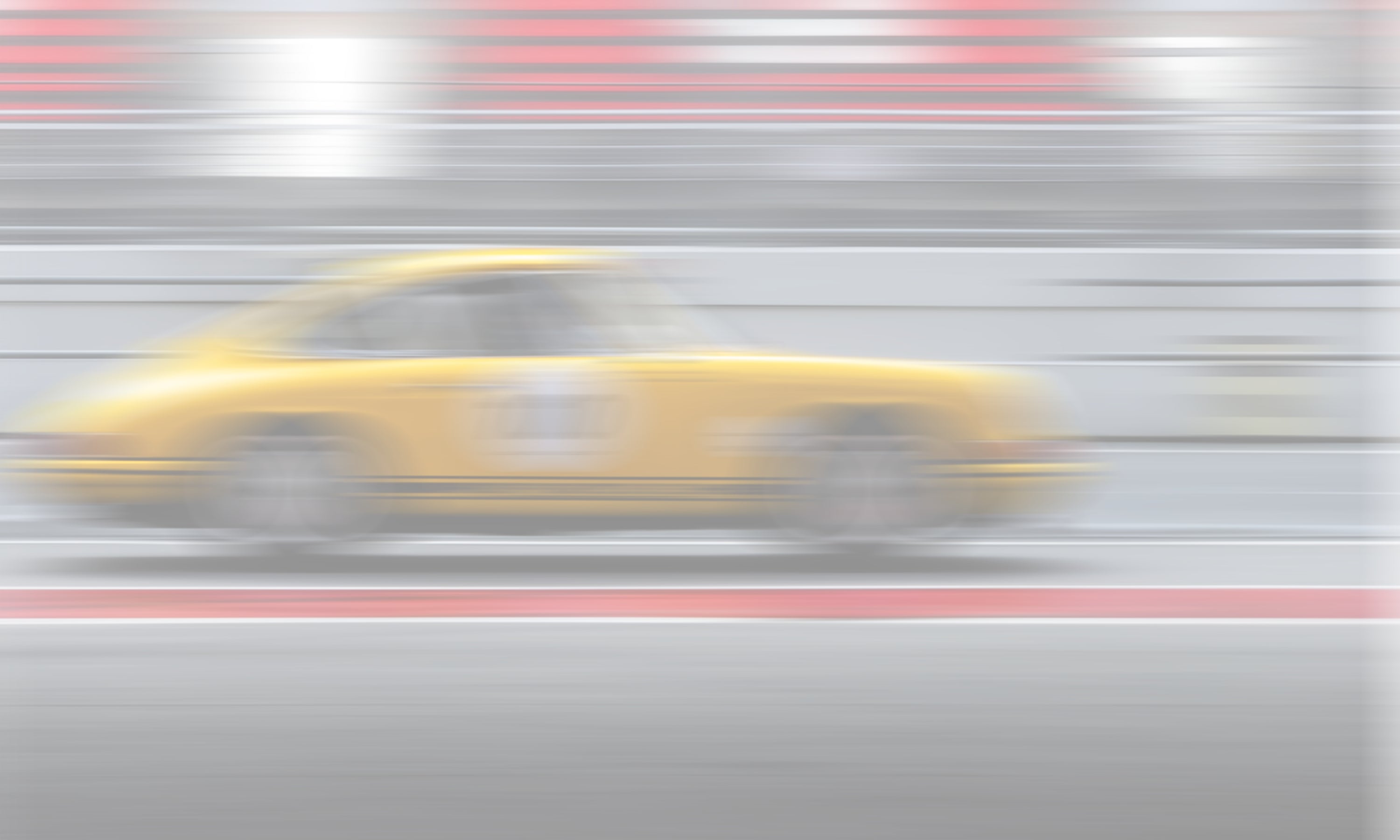
Cinematic motion blur of a racing car at speed, capturing the raw emotion of motorsport for Invictus Heights.
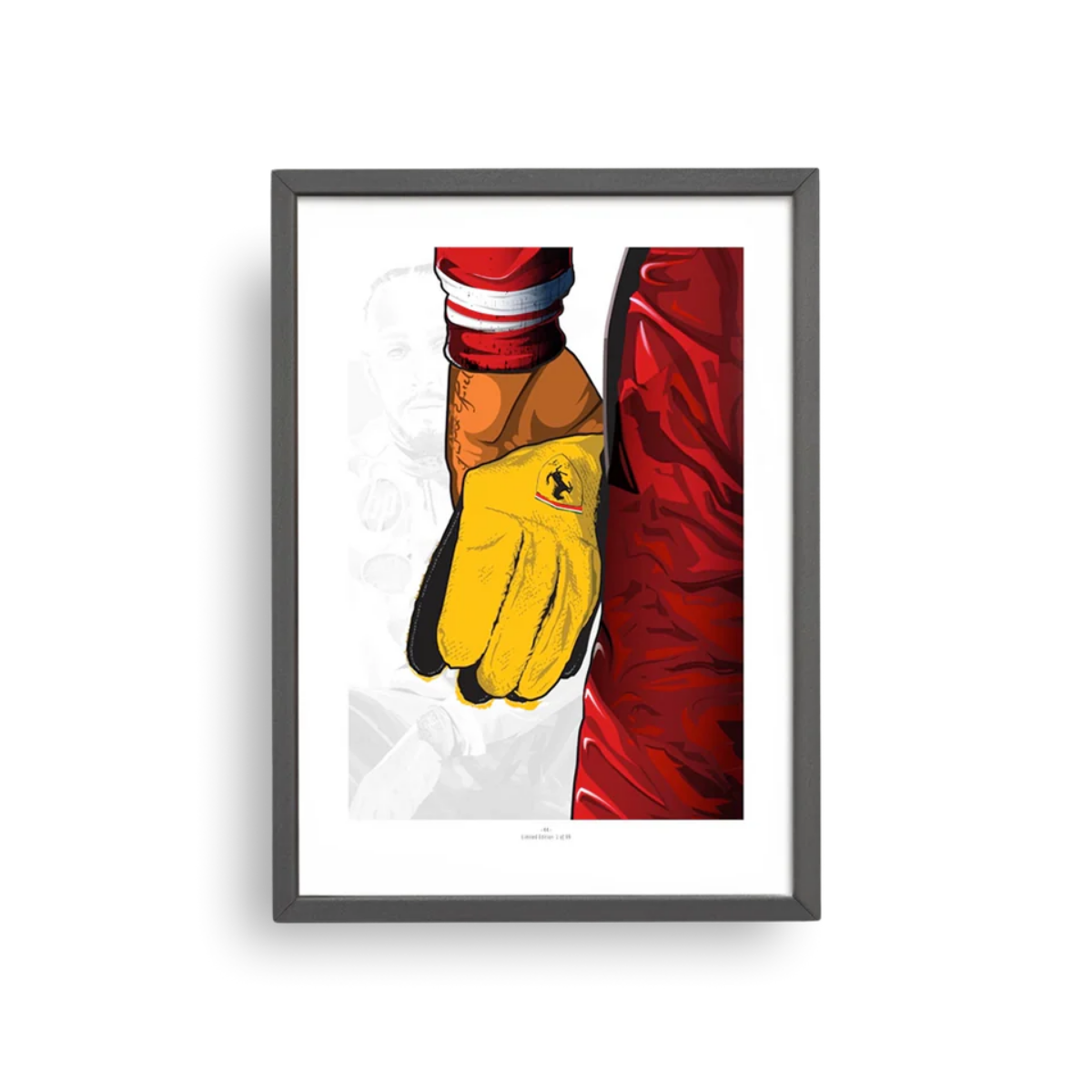
Exclusive Lewis Hamilton and Ferrari automotive art, a limited edition of 99 museum-quality prints by Invictus Heights.

”A true collector’s piece — worthy and immediate addition to my collection.”

— A Ferrari Collector, Italy

Explore work
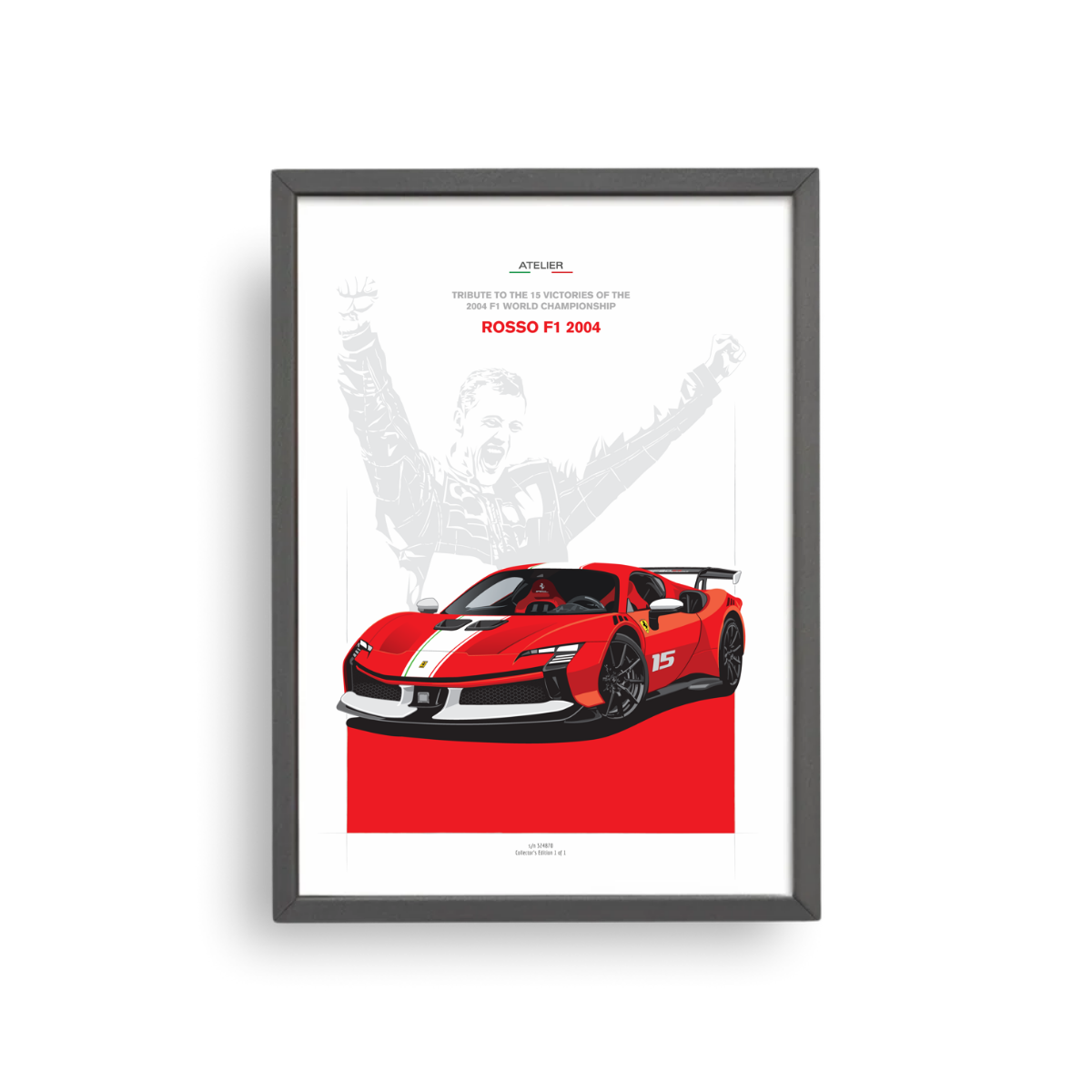
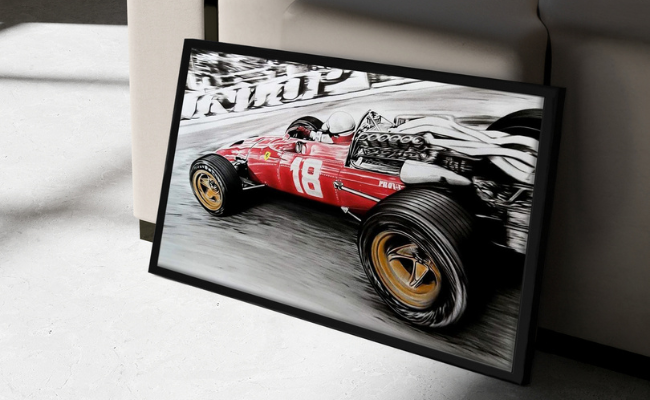
Bespoke Still Motion fine art commission featuring a Ferrari F1 tribute, custom-made for a private collector.

”Pure passion. This artwork captures the very soul of motorsport."

— A Ferrari Collector, France

Learn more
Close-up of brushed aluminum, highlighting the depth and light play of Invictus Heights limited edition automotive art.

MAINTENANCE TIPS

CARING FOR YOUR ALUMINIUM PRINT

Aluminium panels were first developed for demanding outdoor use, then adopted for high-end photography and art prints. When handled with care and kept away from harsh chemicals and extreme sunlight, they are made to last for decades.
To keep your Still Motion piece at its best, dust it occasionally with a soft, dry microfiber cloth. Avoid glass cleaners, abrasive sponges, and direct sunlight or very humid spaces for long periods.