Skip to content

Cart

Your cart is empty

Alfa Romeo 33 Stradale (1967)

QUENTIN MARTINEZ

Eighteen Alfa Romeo 33 Stradales were built between 1967 and 1969. Franco Scaglione designed the body. Carlo Chiti and Autodelta built the chassis. The engine was a 2-litre V8 derived from the Tipo 33 racing car, revving to 10,000 rpm. It was the first production car with butterfly doors and stood just 99 cm tall. When it debuted at $17,000 in 1968, the average car cost $2,800.

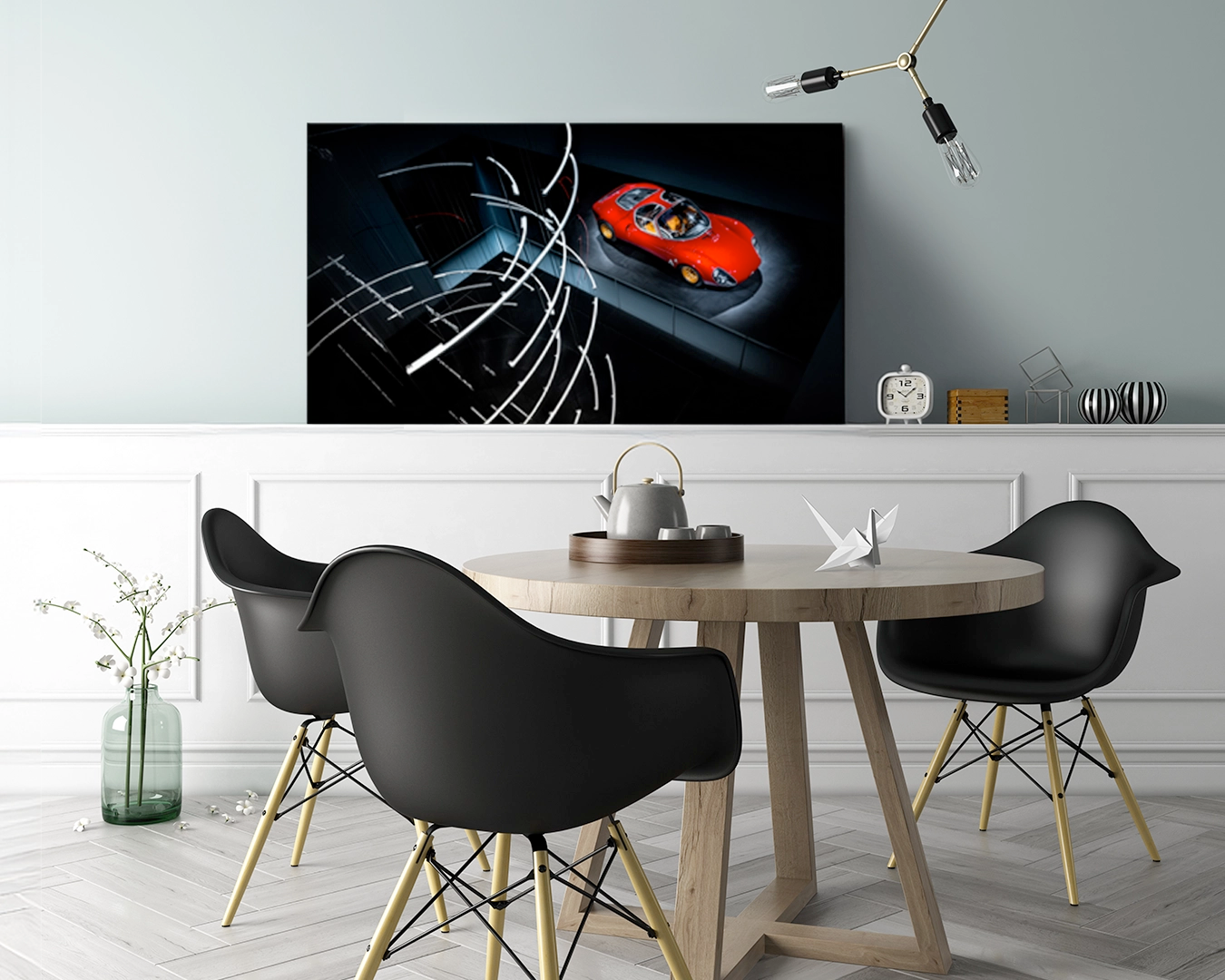
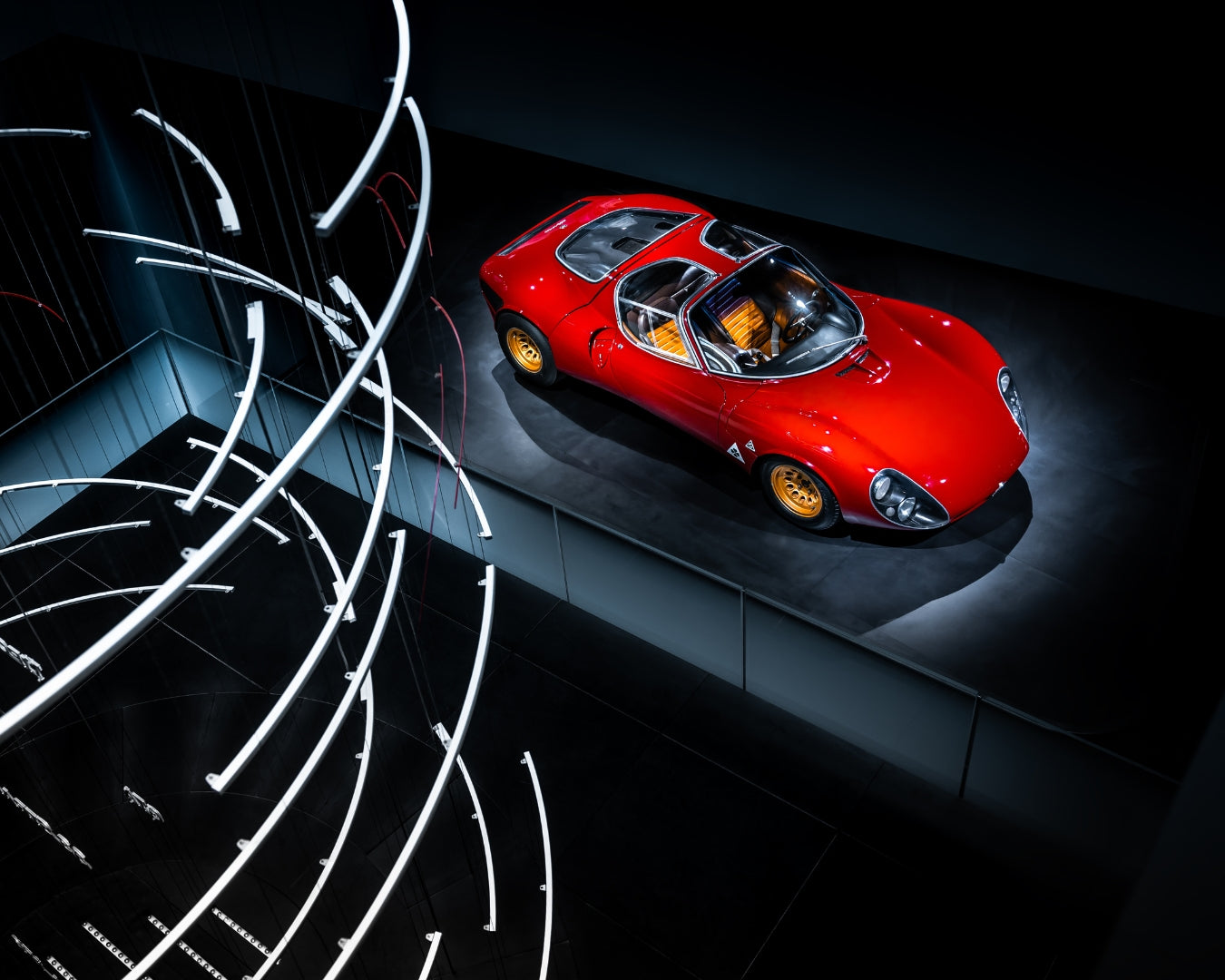
This photograph is taken from above, isolating the 33 Stradale in a pool of light against a dark floor. The high angle reveals what eye level cannot — the impossibly low, wide stance, the way the bodywork wraps the mechanical components without a millimetre of excess. Framed by modern light tubes, it is a car in a museum, captured as a singular exhibit.

A study in the sculptural perfection of the Stradale form.

Limited edition archival aluminium print. Signed and numbered. Edition of 25. Made in Italy.

Limited Edition (25 pcs)

Made in Italy

Archival Aluminum Print

Ready to Hang


Size:
SIZE GUIDE & MATERIAL SPECIFICATIONS

FINE ART PAPER PRINTS We use Hahnemühle Photo Rag 308gr — a 100% cotton, museum-grade paper from one of the world’s oldest fine art paper mills (founded in 1584). Every piece is Giclée printed with archival pigment inks to ensure deep, stable tones that will last for generations.

  • A3 (30 × 42 cm): Framed in a slim, elegant pine profile.

  • A2 (42 × 60 cm): Framed in a Premium Tiglio (lime wood) profile, hand-painted black.

  • Statement Piece (85 × 60 cm): Framed in a Premium Tiglio (lime wood) profile, hand-painted black.

All framed prints are finished with museum-grade acrylic glazing (plexiglass), the standard material used by galleries worldwide for safe transport, superior clarity, and lasting protection. The framed option adds a small, refined outer border beyond the print size.

ALUMINUM PRINTS Offered in two large-scale formats:

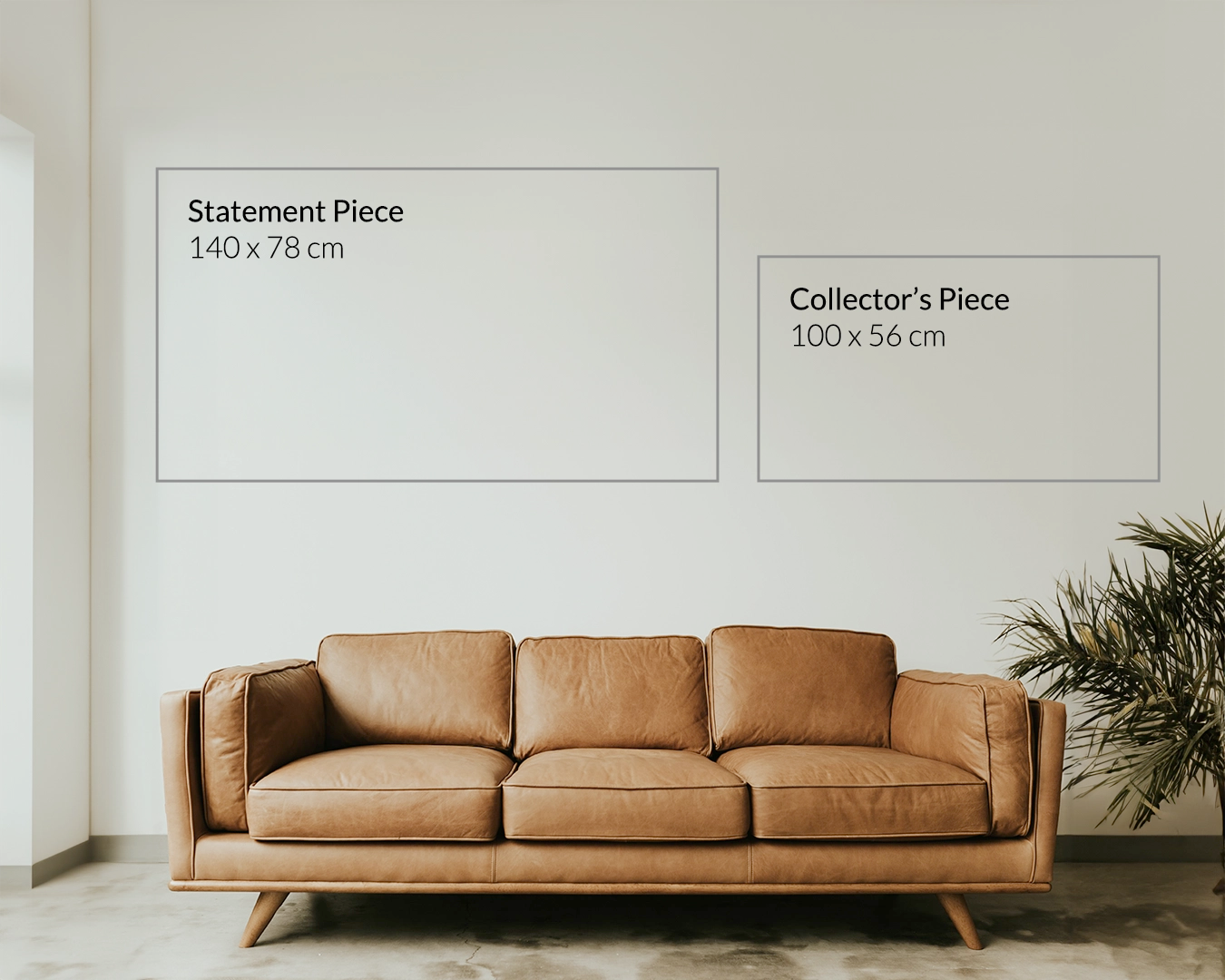
  • Collector’s Piece (approx. 100 cm wide)

  • Statement Piece (approx. 140 cm wide)

Printed on a 3 mm aluminum panel, finished on a white or brushed aluminum base (depending on what best elevates the image). Height varies by artwork — please refer to the specific product images for exact dimensions.

Aluminum Display Notes: For large formats, we recommend leaning the piece. If wall-mounted, use professional hardware suitable for the weight and surface.

Click here for more

Sale price€596,00

Dispatched within 5–7 days · Free shipping Europe

100% Satisfaction Guarantee. Quality art, printed in Italy. Safe, insured shipping.

Alfa Romeo 33 Stradale photographed from above in red against dark museum floor with modern light tubes framing the car
Alfa Romeo 33 Stradale (1967) Sale price€596,00

ALUMINIUM PRINT

Edition Details

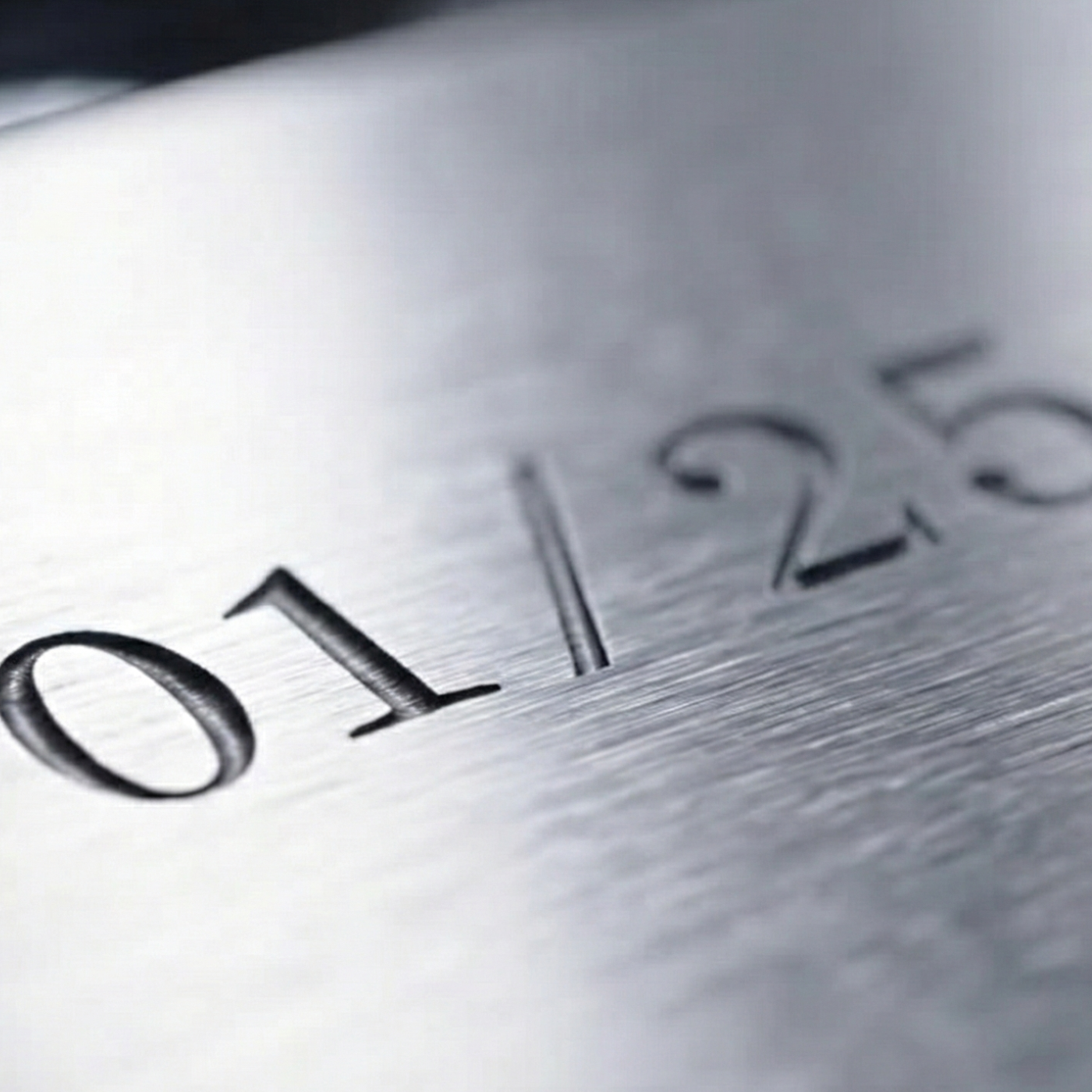
Close-up of '01/25' engraved on a brushed metallic surface

ONLY 25 PRINTS

Each piece is part of a strictly limited edition of 25 — shared across both sizes combined. Every certificate reads 1 of 25. The edition is not divided by size or format. Every buyer owns the same piece.
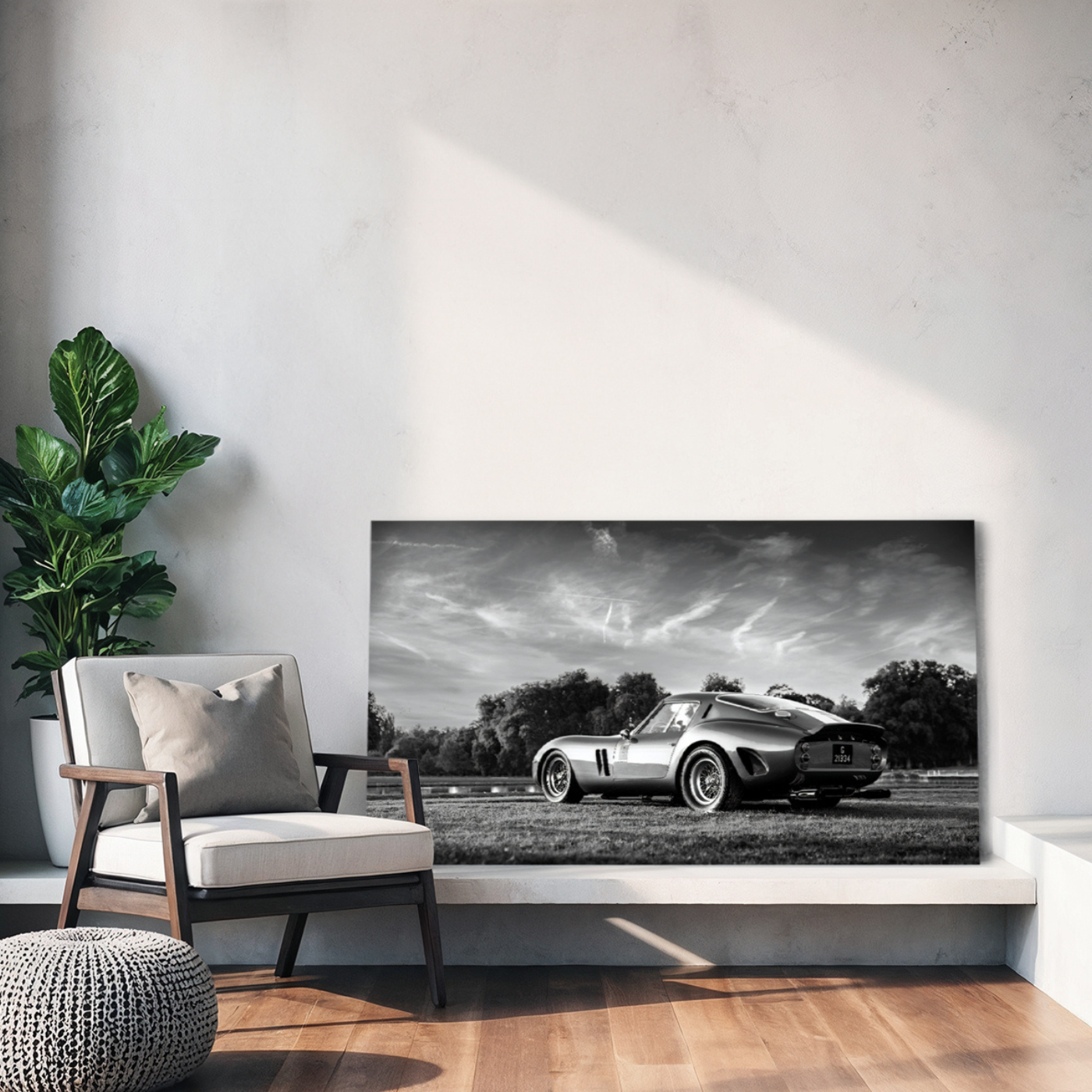
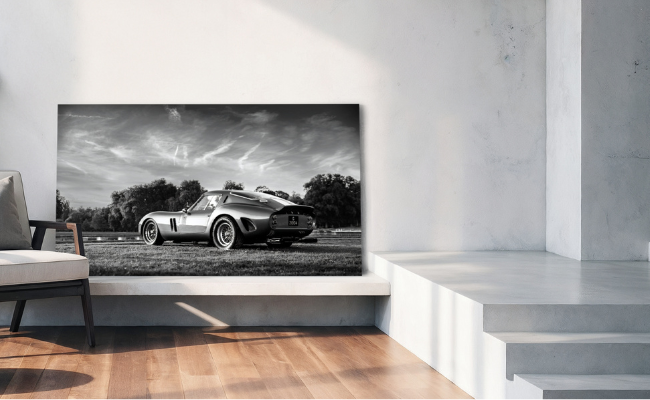
A black and white photograph of a vintage silver Ferrari 250 GTO parked on grass.

ALUMINIUM PRINT

Printed on a 3mm aluminium panel with archival pigment inks. Deep colour saturation, crisp detail, and a soft satin surface with minimal glare. Lightweight, rigid, and built to last for decades without fading or degradation.
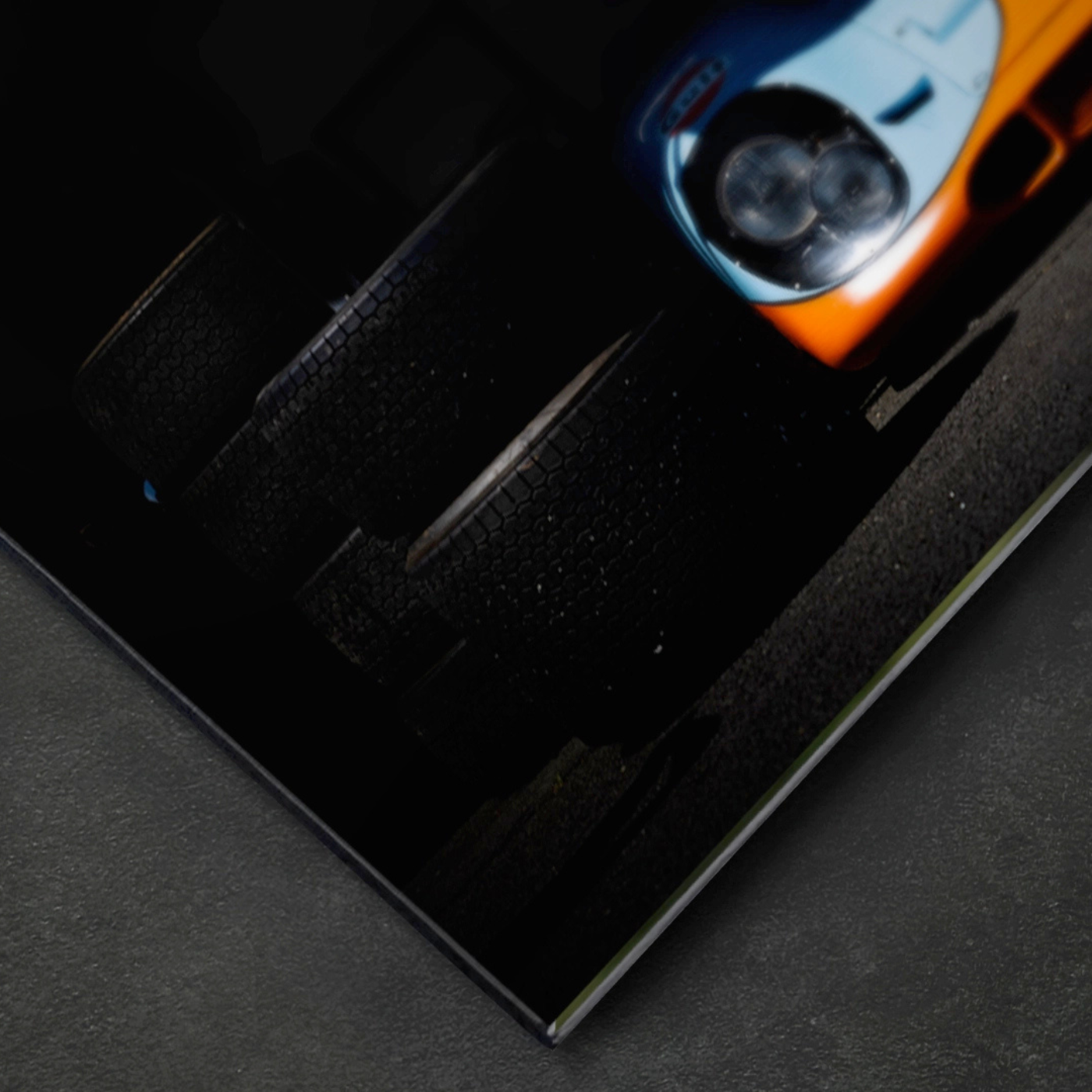
Porsche 917 classic racing car

FRAMELESS & READY

The aluminium panel arrives ready to display — no framing required. Lean it on a surface or hang it directly on the wall. The slim edges and clean surface work in any space.

Still Motion Signature
EIGHTEEN BUILT. A 2-LITRE V8 THAT REVS TO 10,000 RPM. FRANCO SCAGLIONE DESIGNED THE BODY. CARLO CHITI BUILT THE CHASSIS. THE ALFA ROMEO 33 STRADALE WAS THE FIRST PRODUCTION CAR WITH BUTTERFLY DOORS. IT STOOD 99 CENTIMETRES TALL.

Red vintage Alfa Romeo 33 Stradale sports car with yellow wheels

NINETY-NINE CENTIMETRES

In the mid-1960s, Alfa Romeo had been building mass-production cars for two decades under government direction. The racing ambition that had defined the marque before the war — the P2, the P3, the 8C — had been channelled into touring car competition through the Giulietta and Giulia. But Alfa Romeo lacked a purpose-built sports racing car. In 1965, the company’s racing department, Autodelta, led by engineer Carlo Chiti, began the Tipo 33 project: a mid-engined sports prototype designed to re-enter international endurance racing at the highest level.

The Tipo 33 needed a road-legal version for homologation. Chiti commissioned Franco Scaglione — a freelance designer who had previously led Bertone’s studio and created the Alfa Romeo BAT concept cars — to design the body. Scaglione began work in December 1966 and delivered his drawings to Alfa Romeo president Giuseppe Luraghi the following January. The first prototype, chassis 105.33.01, was built at Autodelta’s workshop in Settimo Milanese alongside the Tipo 33 Periscopica race car. The body was hand-formed by Scaglione’s team at Carrozzeria Marazzi. Scaglione later described the construction period as the worst of his professional life — Autodelta was a racing outfit, not a coachbuilder, and the clashes between Chiti’s racing priorities and Scaglione’s demands for aesthetic precision were constant.

The Alfa Romeo 33 Stradale debuted at Monza on 30 August 1967. It stood 99 centimetres tall. The butterfly doors — hinged at the A-pillar, opening upward with glass panels curving into the roof — were the first on any production car. The engine was a 2-litre V8 derived from the Tipo 33 racing unit, with a dry-sump lubrication system, SPICA fuel injection, twin spark plugs per cylinder, and a redline of 10,000 rpm. It produced 230 horsepower and drove through a six-speed Colotti manual gearbox. The car could reach 260 km/h. In 1968, the asking price was $17,000 — six times the cost of an average car.

Production was entrusted to Marazzi against Scaglione’s advice. The coachbuilder lacked the expertise for such a complex build, and production ended in 1969 after eighteen cars. Each was hand-built, and no two are exactly alike — windshield wipers, headlight arrangements, and body details vary from car to car. Of the eighteen, two were pre-production prototypes with a dual headlight configuration that could not be homologated. Five chassis were loaned to Italy’s leading design houses and transformed into show cars: Bertone created the Carabo, Italdesign produced the Iguana, and Pininfarina built the P33 Roadster and the Cuneo. That leaves eleven “production” 33 Stradales in existence.

The Alfa Romeo 33 Stradale has been called the most significant Italian car of the 1960s. It preceded the Lamborghini Miura to market as a mid-engined road car from a major manufacturer. Its influence on subsequent show car design — through the Carabo, the Iguana, and the Cuneo — shaped the visual language of the supercar for the following decade. In 2023, Alfa Romeo revived the 33 Stradale name for a modern limited-production car, a direct homage to Scaglione’s original.

This photograph captures the Alfa Romeo 33 Stradale from above — an angle that reveals the car’s proportions in a way that eye level cannot. The bodywork wraps the mechanical components with no excess material, no unnecessary line. Seen from this perspective, 99 centimetres of height becomes a fact you can verify with your eyes. On aluminium, the red of the bodywork gains a depth and saturation that reflects the material quality of the car itself — hand-formed metal, captured on metal.

Our Curation

This piece exists because of a friendship with Quentin Martinez, a photographer who understands that perspective changes meaning. The Alfa Romeo 33 Stradale was photographed from above in a museum setting — an angle that strips the car of its conventional profile and reveals the purity of Scaglione’s design as a plan view.

From a larger body of work, this frame was selected for the way the elevated composition transforms the car into something closer to a technical drawing than a photograph. The aluminium format was chosen because the red of the 33 Stradale responds to the metallic substrate with a vibrancy and depth that mirrors the hand-formed aluminium of the original bodywork.

The result is not a reproduction. It is a perspective.

GOING DEEPER

COLLECTING

What it means to own a Still Motion edition — the standard, the certificate, the care.

What collectors should know

committed

The principles behind every piece we produce and every decision we make.

Our commitments

Why We Choose Aluminium

Vibrant & Luminous

Metal holds light differently. Colours reach a depth and intensity that paper cannot replicate — because aluminium doesn't just carry the image. It shares its DNA with the subject.

Built to Last

A 3mm archival panel, resistant to fading and built for real spaces. These are not posters. They are made to outlast the walls they hang on.

Modern & Frameless

No frame competes with the image. Slim edges, clean surface — leaned against a sideboard or mounted with spacers, the photograph owns the room.
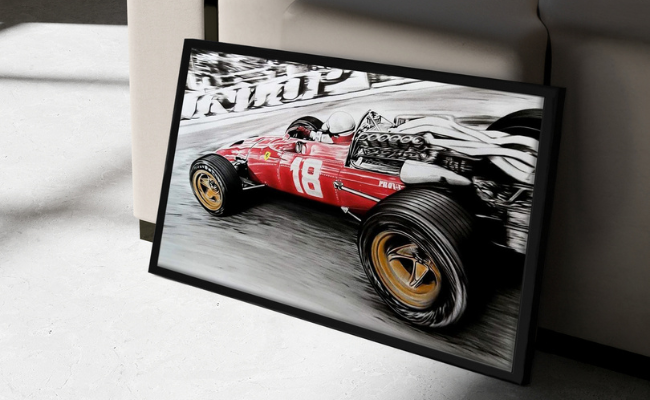
Cinematic motion blur of a racing car at speed, capturing the raw emotion of motorsport for Invictus Heights.
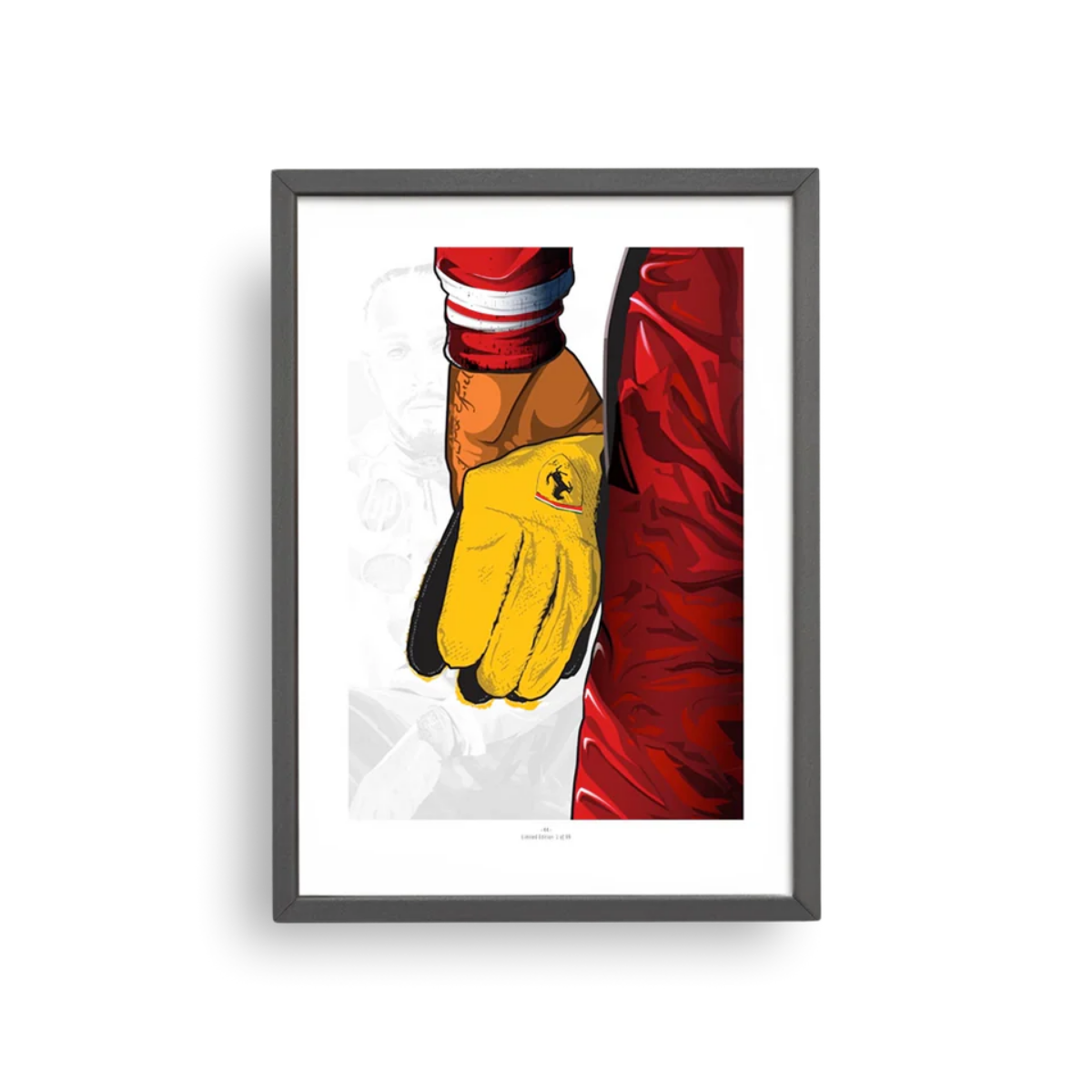
Exclusive Lewis Hamilton and Ferrari automotive art, a limited edition of 99 museum-quality prints by Invictus Heights.

”A true collector’s piece — worthy and immediate addition to my collection.”

— A Ferrari Collector, Italy

Explore work
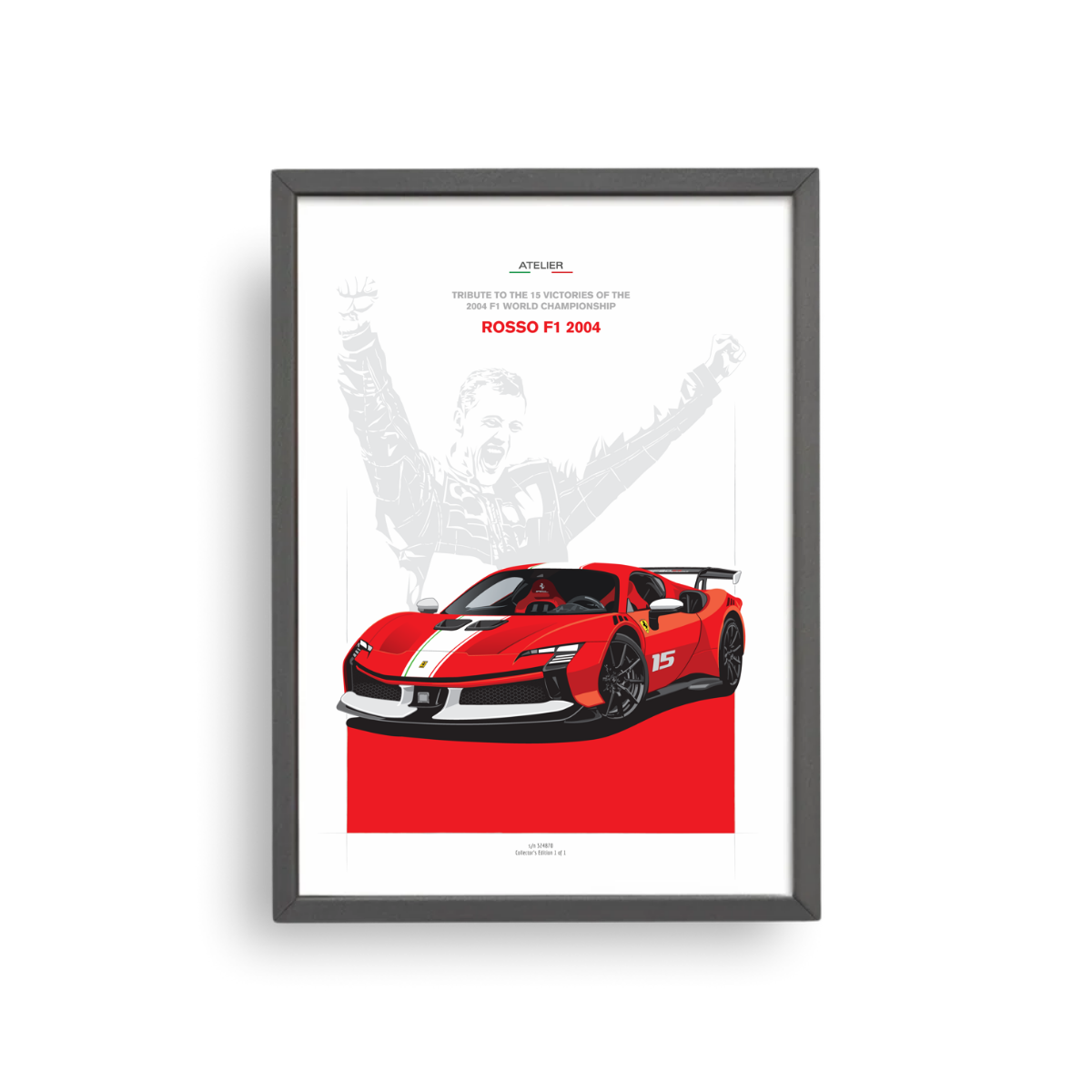
Bespoke Still Motion fine art commission featuring a Ferrari F1 tribute, custom-made for a private collector.

”Pure passion. This artwork captures the very soul of motorsport."

— A Ferrari Collector, France

Learn more
Close-up of brushed aluminum, highlighting the depth and light play of Invictus Heights limited edition automotive art.

MAINTENANCE TIPS

CARING FOR YOUR ALUMINIUM PRINT

Aluminium panels were first developed for demanding outdoor use, then adopted for high-end photography and art prints. When handled with care and kept away from harsh chemicals and extreme sunlight, they are made to last for decades.
To keep your Still Motion piece at its best, dust it occasionally with a soft, dry microfiber cloth. Avoid glass cleaners, abrasive sponges, and direct sunlight or very humid spaces for long periods.