




Porsche 917K — Gulf
The Porsche 917K won thirteen World Championship races in 1970 and 1971. It gave Porsche its first overall victory at the 24 Hours of Le Mans. K stands for Kurzheck — short tail — the body configuration that solved the car’s lethal high-speed instability and turned it from a machine no driver wanted to race into the most dominant sports car of its era.
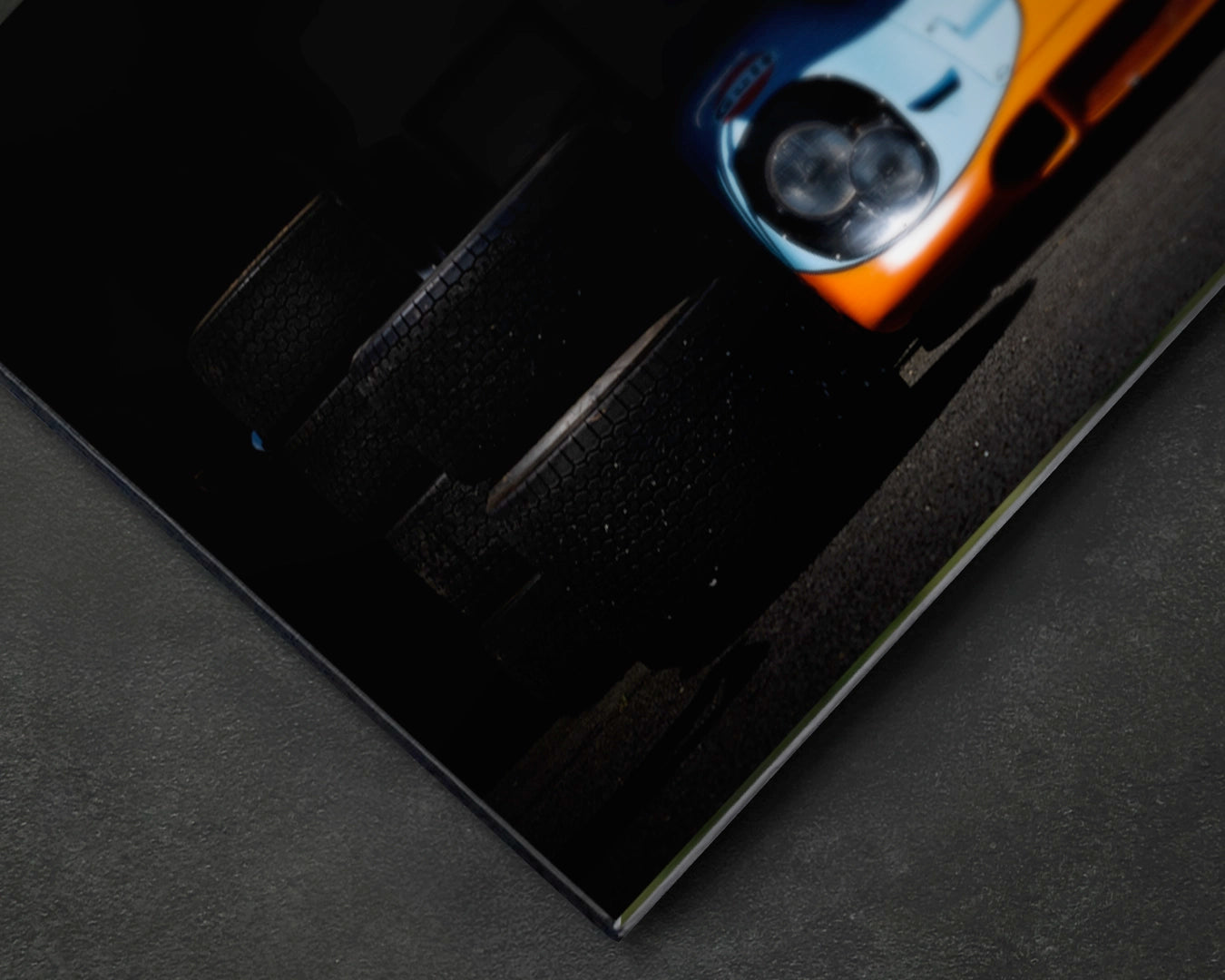
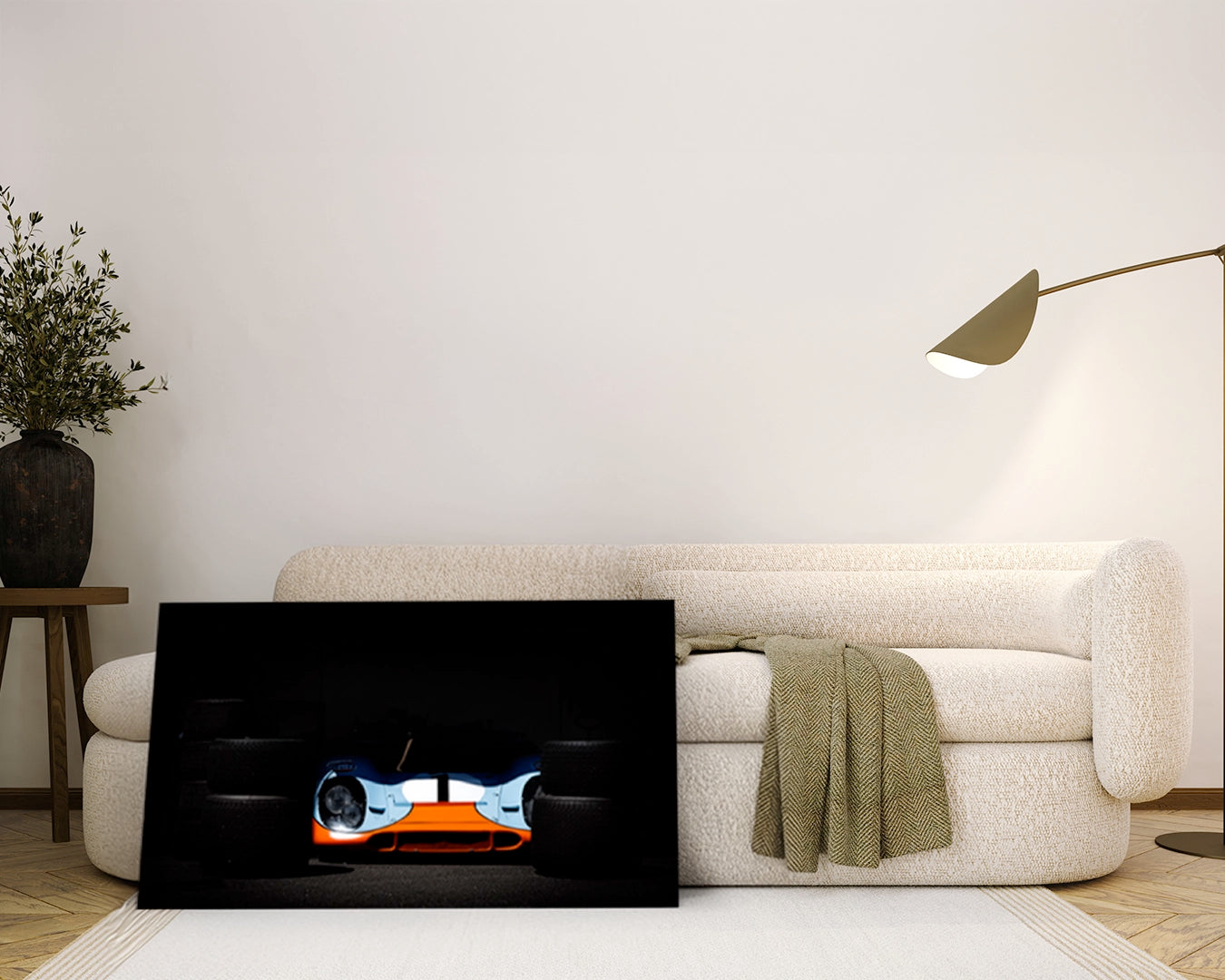
This photograph places the Porsche 917K in darkness. A single headlight cuts through the black. The Gulf blue and orange emerge from shadow, while stacked tyres frame the composition. The car is still, but the angle and the light suggest it is waiting, not resting. It is the quiet before the roar, captured away from the circuit, in a moment of pure, mechanical anticipation.
A study in the dormant dominance of a racing legend.
Limited edition archival aluminium print. Signed and numbered. Edition of 25. Made in Italy.
Limited Edition (25 pcs)
Made in Italy
Archival Aluminum Print
Ready to Hang
Dispatched within 5–7 days · Free shipping Europe
100% Satisfaction Guarantee. Quality art, printed in Italy. Safe, insured shipping.
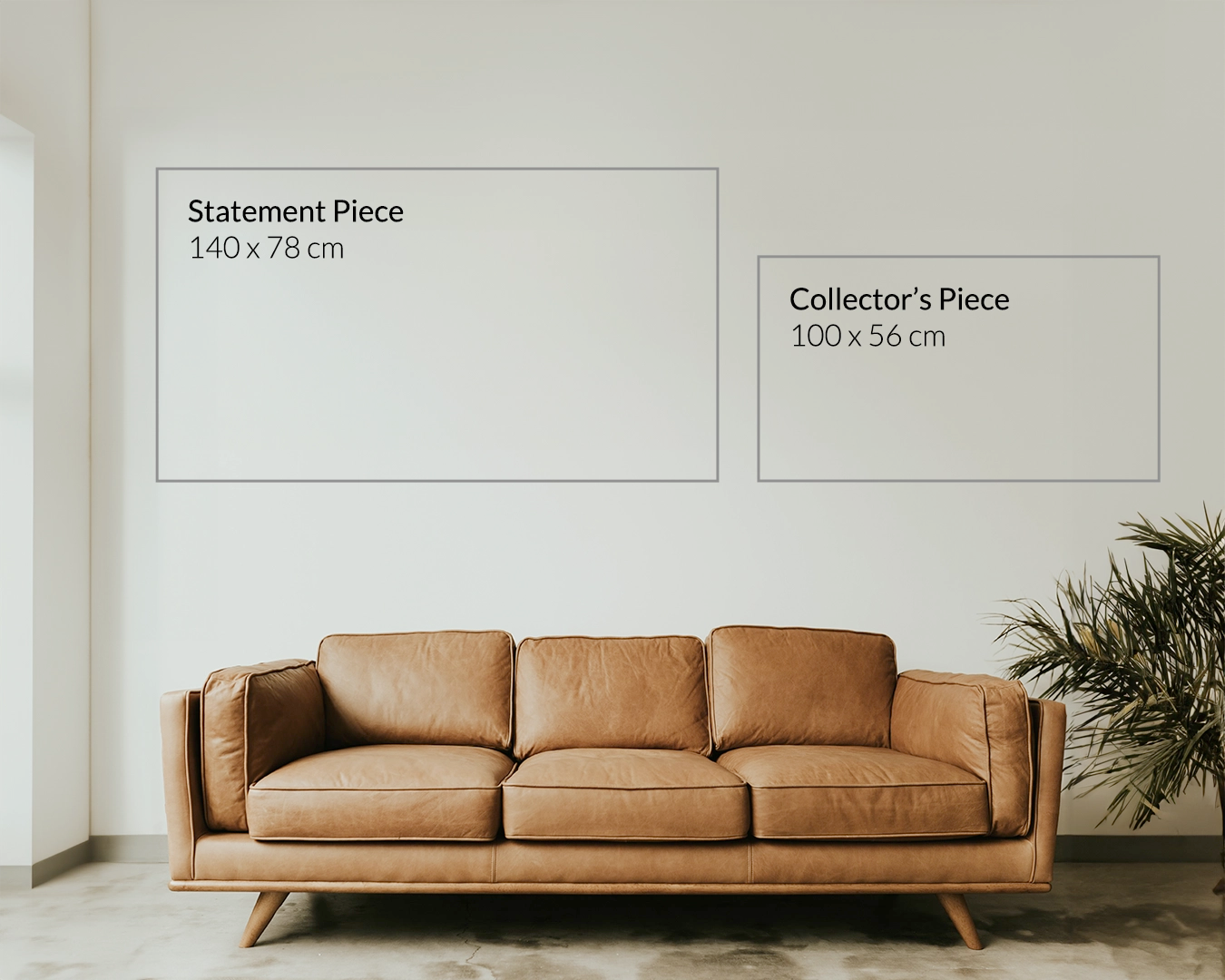
Each piece is printed on a 3mm aluminium panel using archival pigment inks — a process that delivers deep colour saturation, crisp detail, and a soft satin surface with minimal glare. The panel is lightweight, rigid, and built to last for decades. Available in Collector Size and Statement Size. No framing required — the piece arrives ready to lean or mount with spacers. Every piece is signed and numbered and ships with a Certificate of Authenticity from Invictus Heights — Still Motion. Edition of 25, distributed across both sizes combined.
Each piece is printed to order and dispatched within 5–7 days. Delivery across Europe typically takes 3–5 working days from dispatch. All orders are packaged to protect the artwork in transit — each canvas panel in reinforced protective boxing. Tracking details are shared as soon as your order ships. Delivery times may vary during peak periods. Taxes and duties may apply outside the EU depending on destination. For corporate or bulk orders, contact us directly at atelier@invictusheights.com.
Each piece is printed to order. All sales are final. If your artwork arrives damaged, contact us within 72 hours of delivery at atelier@invictusheights.com with photographs of the outer box, the internal packaging, and the damage itself. Once confirmed, we arrange return shipment at our cost and issue a replacement or full refund upon receipt. This policy protects the integrity of each edition and ensures every serial number remains unique within the Still Motion registry.
Choose options
ALUMINIUM PRINT
Edition Details
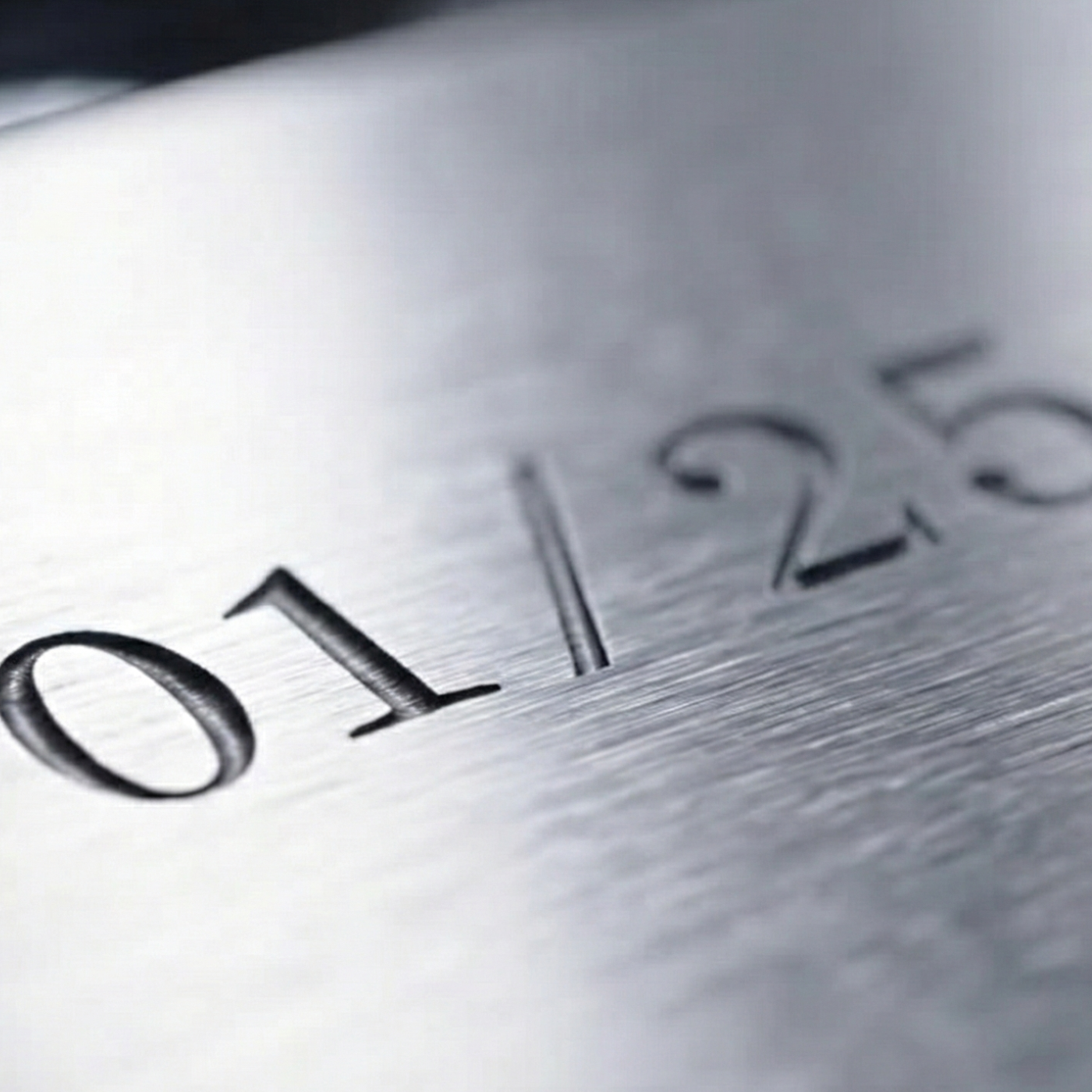
ONLY 25 PRINTS
Each piece is part of a strictly limited edition of 25 — shared across both sizes combined. Every certificate reads 1 of 25. The edition is not divided by size or format. Every buyer owns the same piece.
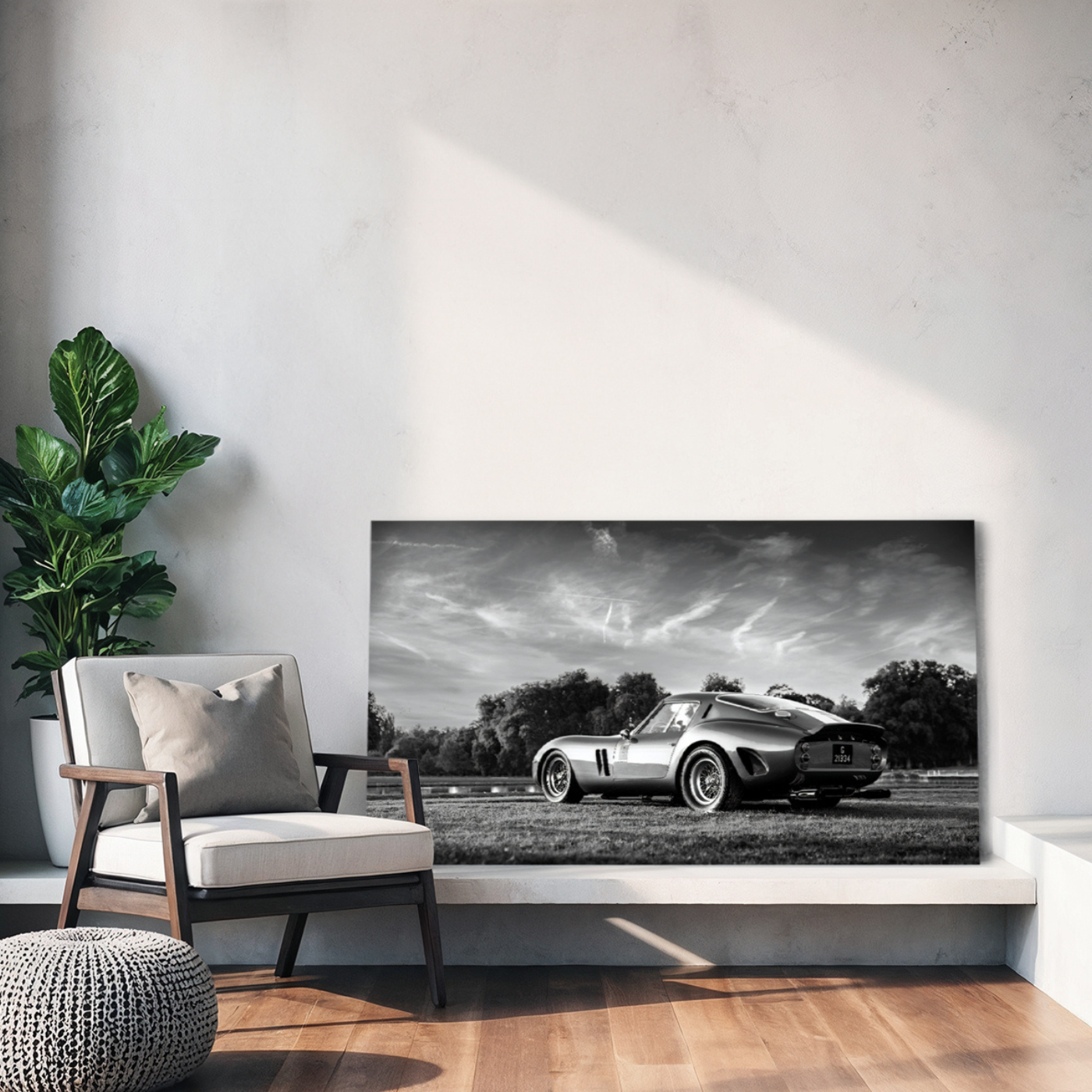
ALUMINIUM PRINT
Printed on a 3mm aluminium panel with archival pigment inks. Deep colour saturation, crisp detail, and a soft satin surface with minimal glare. Lightweight, rigid, and built to last for decades without fading or degradation.
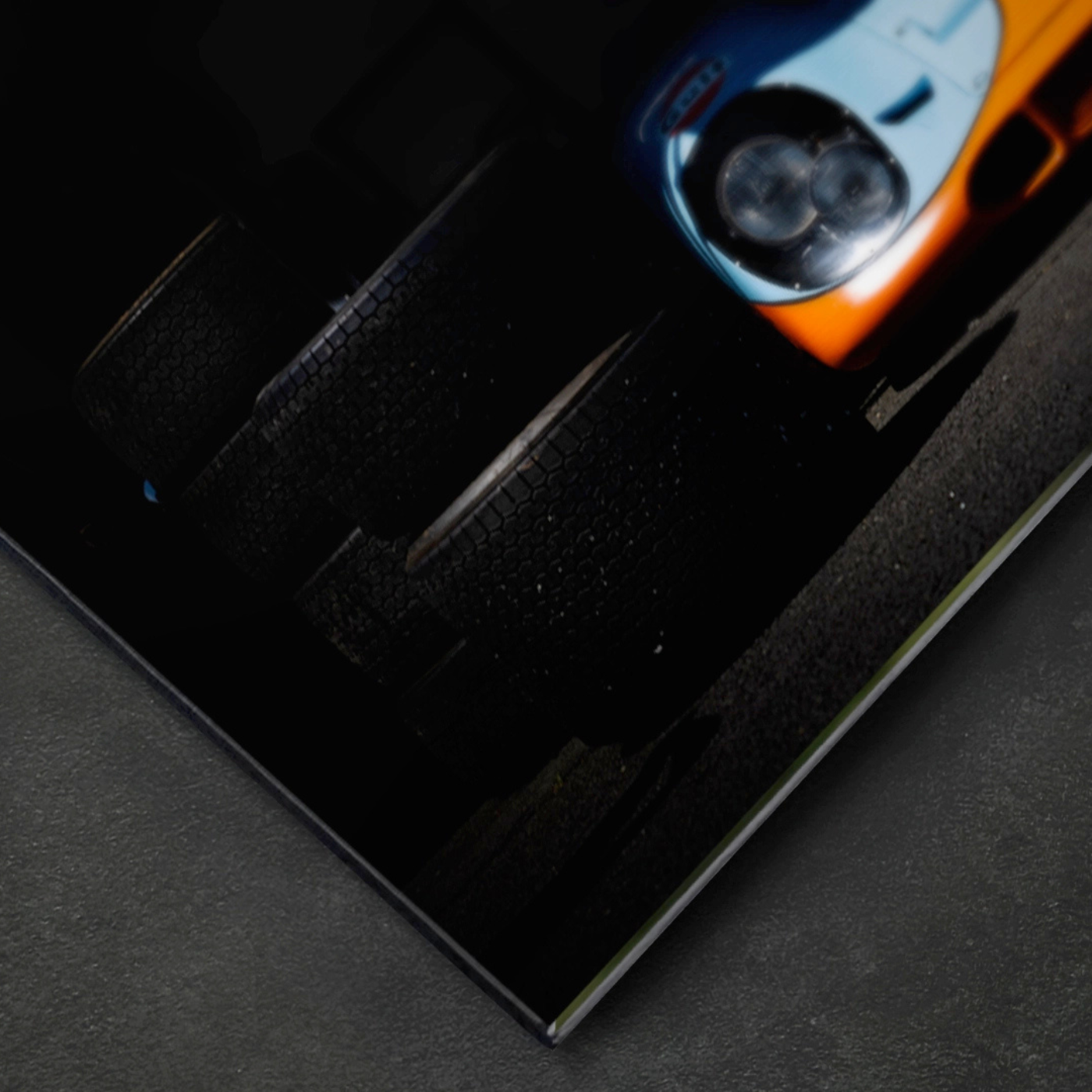
FRAMELESS & READY
The aluminium panel arrives ready to display — no framing required. Lean it on a surface or hang it directly on the wall. The slim edges and clean surface work in any space.
Still Motion Signature
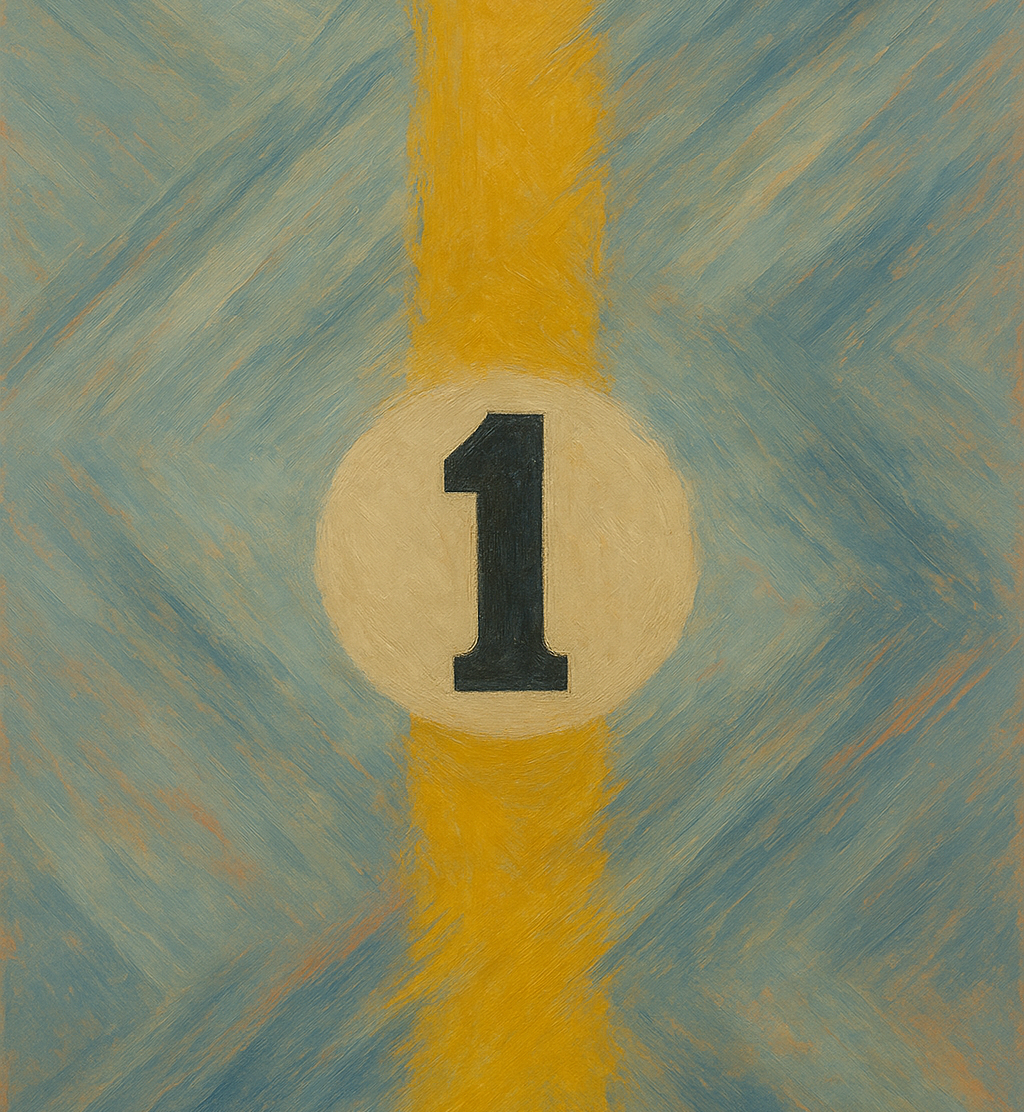
THE CAR NOBODY WANTED TO DRIVE
Our Curation
GOING DEEPER
COLLECTING
What it means to own a Still Motion edition — the standard, the certificate, the care.
What collectors should knowWhy We Choose Aluminium
Vibrant & Luminous
Metal holds light differently. Colours reach a depth and intensity that paper cannot replicate — because aluminium doesn't just carry the image. It shares its DNA with the subject.
Built to Last
A 3mm archival panel, resistant to fading and built for real spaces. These are not posters. They are made to outlast the walls they hang on.
Modern & Frameless
No frame competes with the image. Slim edges, clean surface — leaned against a sideboard or mounted with spacers, the photograph owns the room.
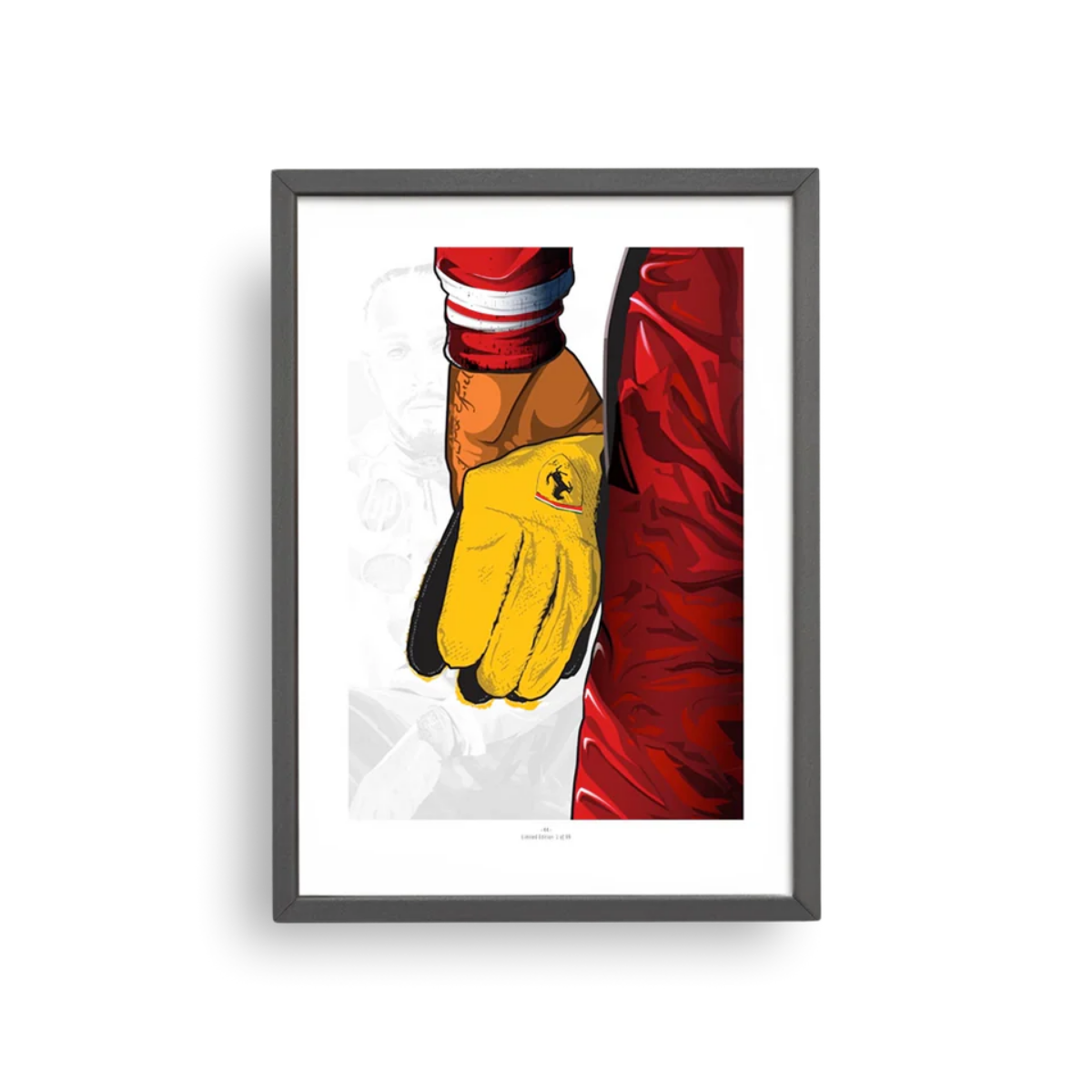
”A true collector’s piece — worthy and immediate addition to my collection.”
— A Ferrari Collector, Italy
Explore work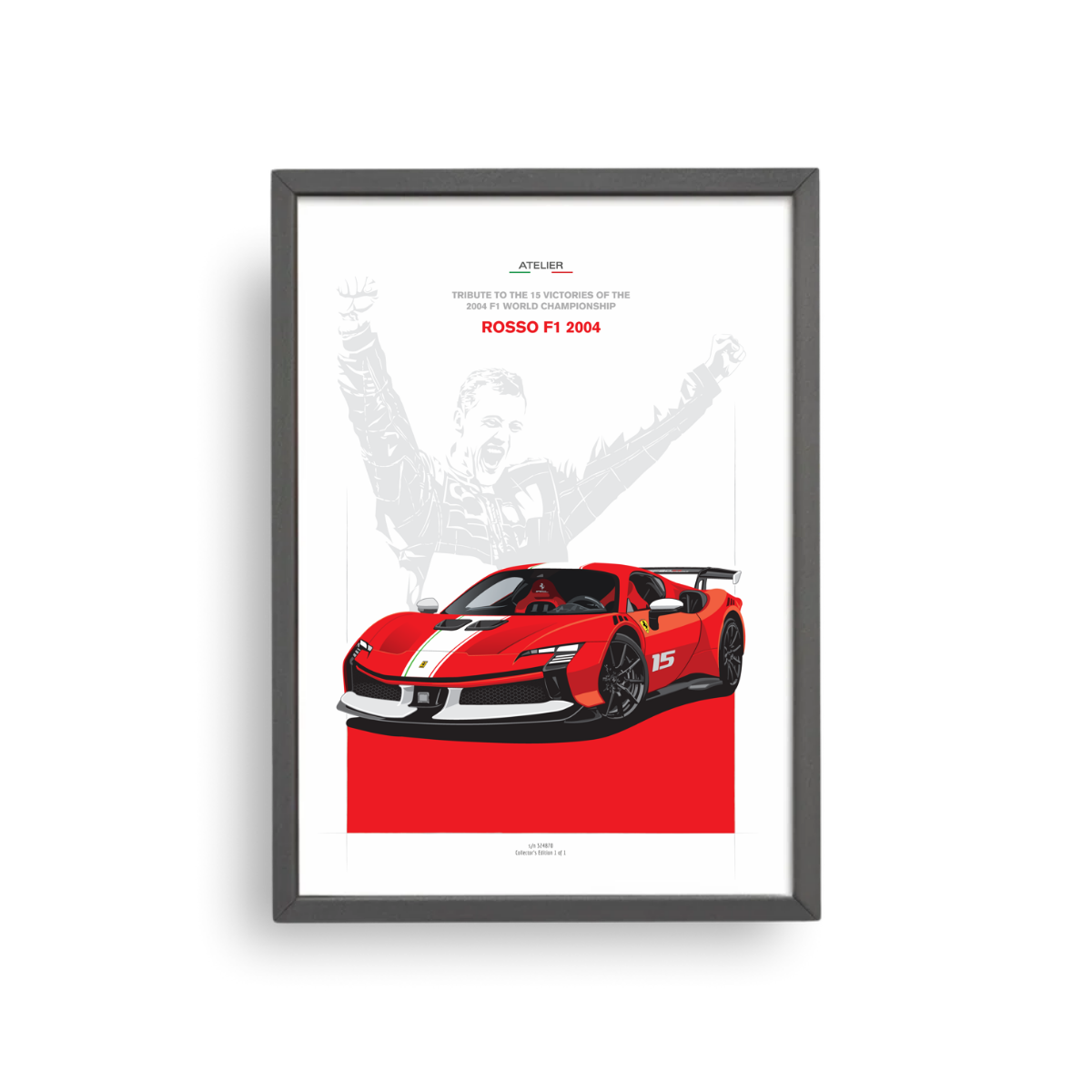
”Pure passion. This artwork captures the very soul of motorsport."
— A Ferrari Collector, France
Learn more
MAINTENANCE TIPS
CARING FOR YOUR ALUMINIUM PRINT
Aluminium panels were first developed for demanding outdoor use, then adopted for high-end photography and art prints. When handled with care and kept away from harsh chemicals and extreme sunlight, they are made to last for decades.
To keep your Still Motion piece at its best, dust it occasionally with a soft, dry microfiber cloth. Avoid glass cleaners, abrasive sponges, and direct sunlight or very humid spaces for long periods.