Skip to content

Cart

Your cart is empty

Porsche Gulf 917K – The Catalunya Stripe

QUENTIN MARTINEZ

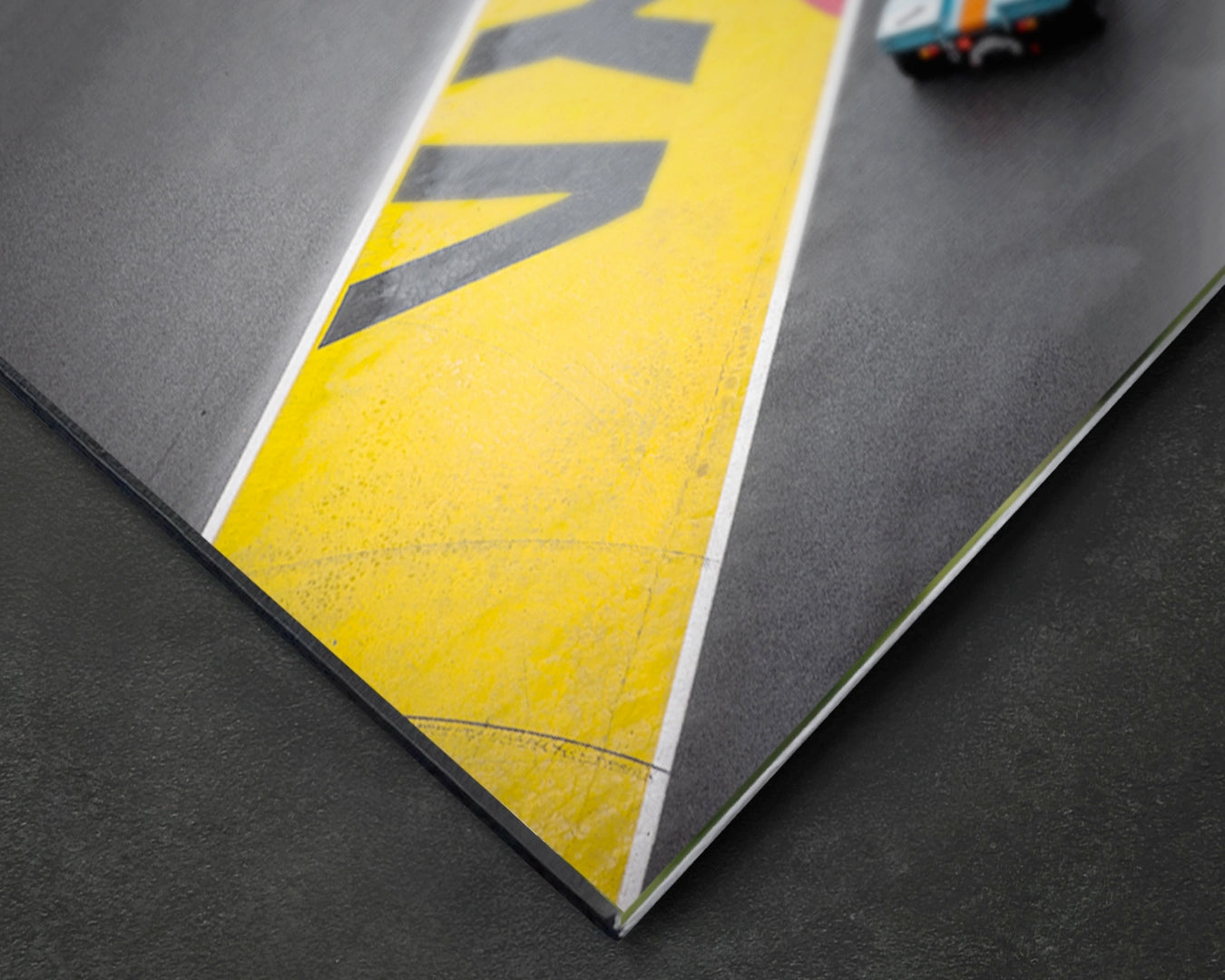
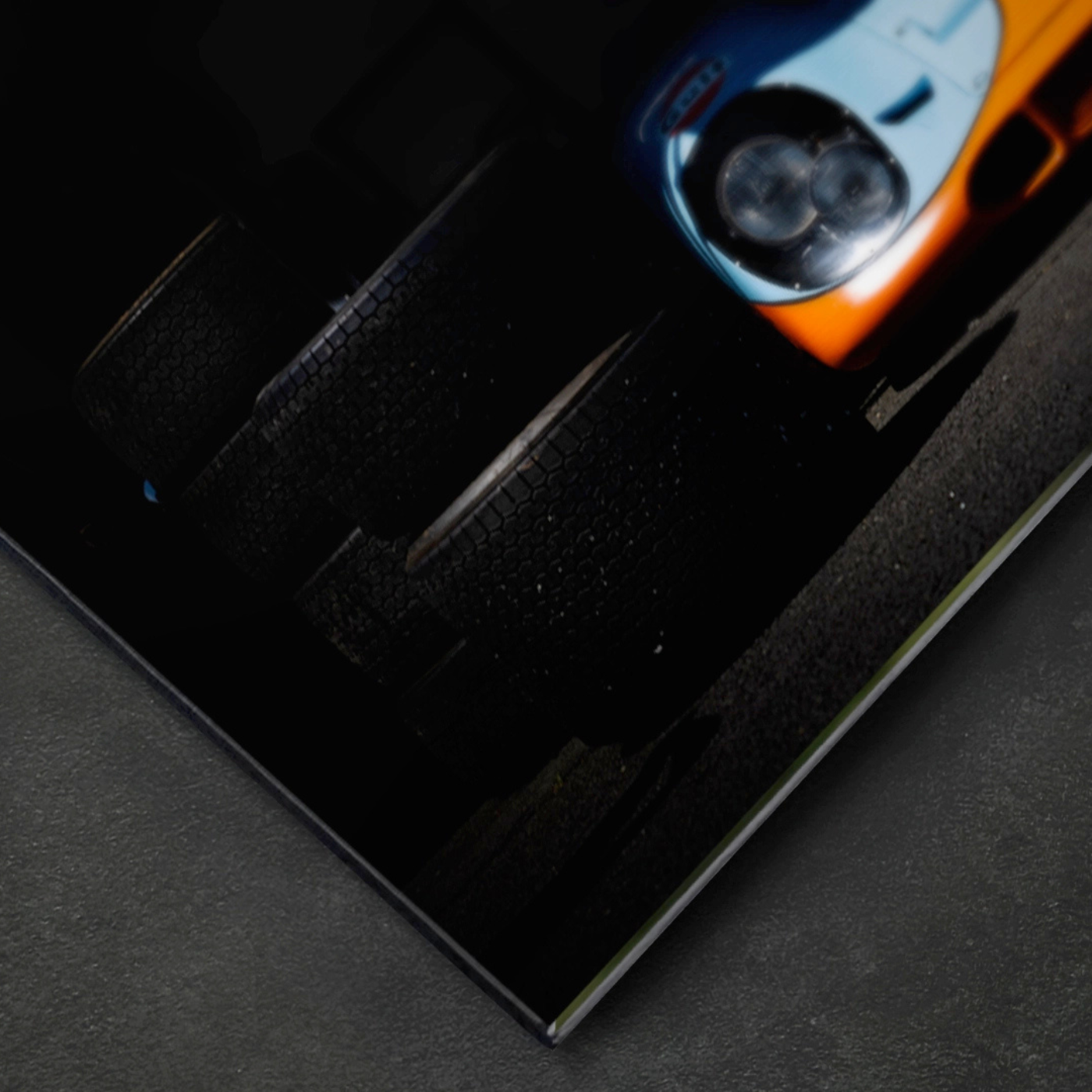
The same Porsche 917K. A different distance. This photograph moves in close — past the silhouette, past the livery, to a single detail: the yellow sponsor stripe running down the bodywork. The Gulf blue disappears into darkness. The orange is out of frame. What remains is a line of paint on aluminium, the lettering partially visible, the geometry of a graphic identity that has outlived the car’s racing career by fifty years.

Photographed at Espíritu de Montjuïc, Circuit de Barcelona-Catalunya, during Peter Auto’s historic racing programme. The car at rest. The stripe isolated against black.

A study in the graphic legacy of endurance racing.

Limited edition archival aluminium print. Signed and numbered. Edition of 25. Made in Italy.

Limited Edition (25 pcs)

Made in Italy

Archival Aluminum Print

Ready to Hang


Size:
SIZE GUIDE & MATERIAL SPECIFICATIONS

FINE ART PAPER PRINTS We use Hahnemühle Photo Rag 308gr — a 100% cotton, museum-grade paper from one of the world’s oldest fine art paper mills (founded in 1584). Every piece is Giclée printed with archival pigment inks to ensure deep, stable tones that will last for generations.

  • A3 (30 × 42 cm): Framed in a slim, elegant pine profile.

  • A2 (42 × 60 cm): Framed in a Premium Tiglio (lime wood) profile, hand-painted black.

  • Statement Piece (85 × 60 cm): Framed in a Premium Tiglio (lime wood) profile, hand-painted black.

All framed prints are finished with museum-grade acrylic glazing (plexiglass), the standard material used by galleries worldwide for safe transport, superior clarity, and lasting protection. The framed option adds a small, refined outer border beyond the print size.

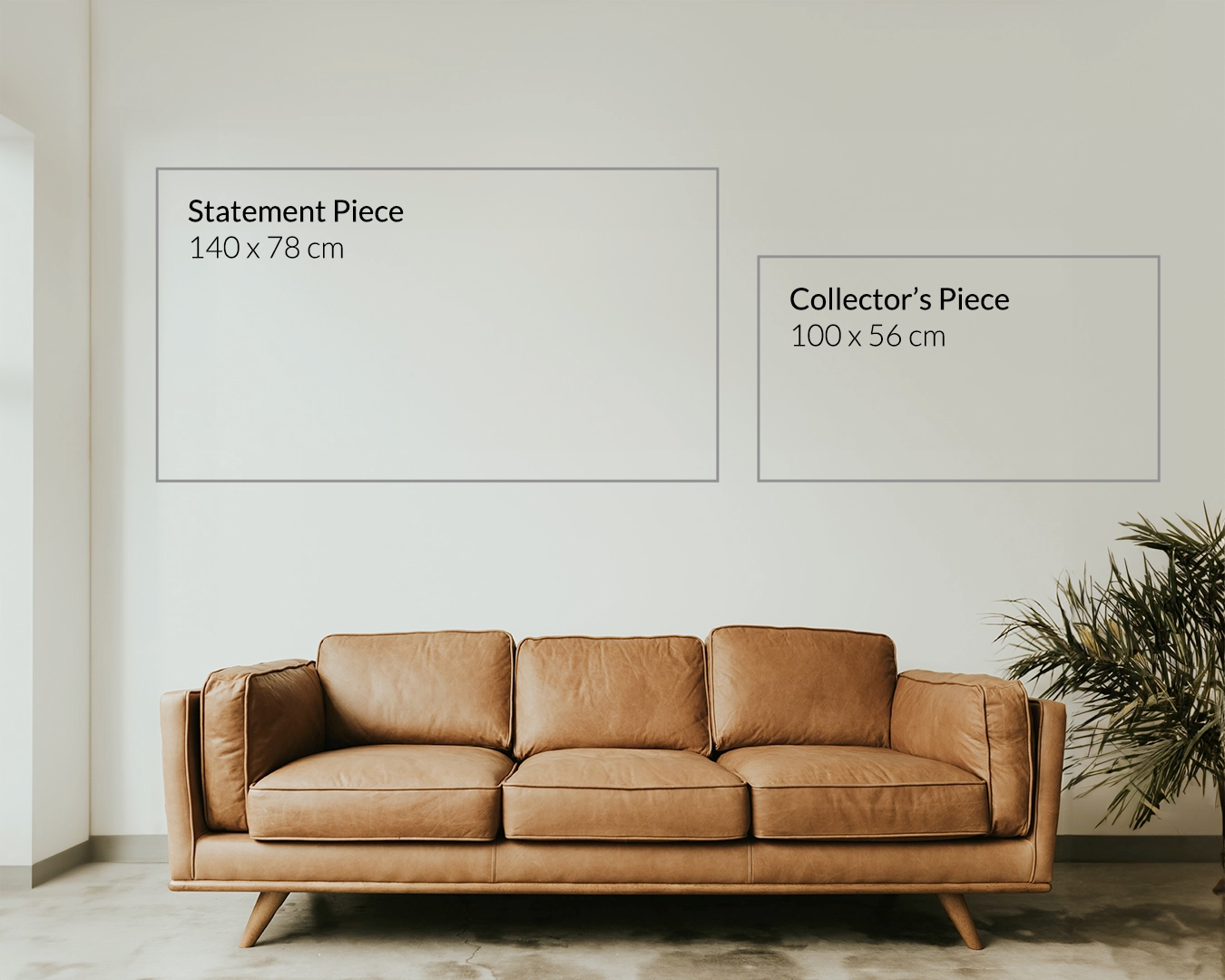
ALUMINUM PRINTS Offered in two large-scale formats:

  • Collector’s Piece (approx. 100 cm wide)

  • Statement Piece (approx. 140 cm wide)

Printed on a 3 mm aluminum panel, finished on a white or brushed aluminum base (depending on what best elevates the image). Height varies by artwork — please refer to the specific product images for exact dimensions.

Aluminum Display Notes: For large formats, we recommend leaning the piece. If wall-mounted, use professional hardware suitable for the weight and surface.

Click here for more

Sale price€596,00

Dispatched within 5–7 days · Free shipping Europe

100% Satisfaction Guarantee. Quality art, printed in Italy. Safe, insured shipping.

Close-up detail of yellow sponsor stripe on Porsche 917K Gulf livery bodywork photographed in darkness at Espíritu de Montjuïc Barcelona
Porsche Gulf 917K – The Catalunya Stripe Sale price€596,00

ALUMINIUM PRINT

Edition Details

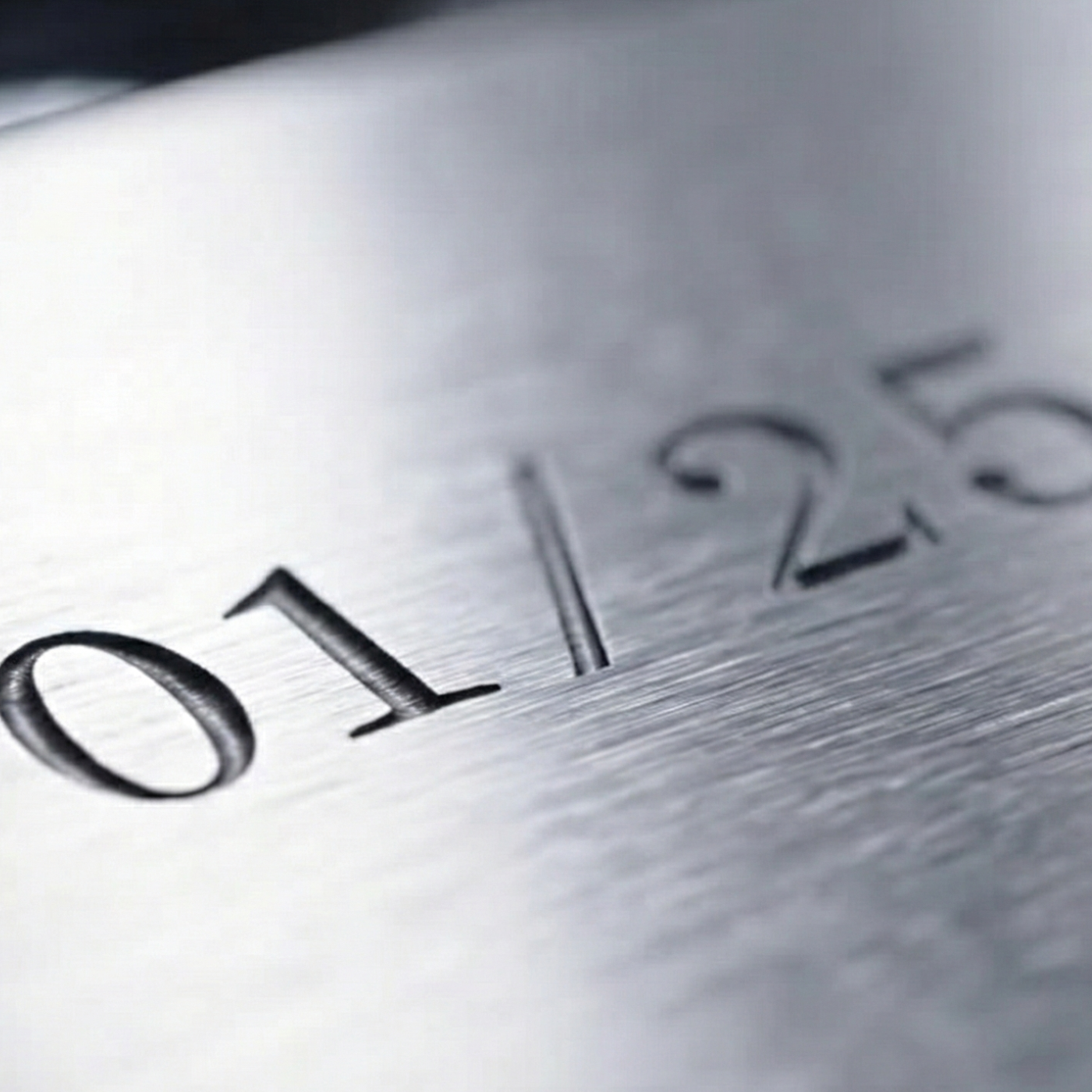
Close-up of '01/25' engraved on a brushed metallic surface

ONLY 25 PRINTS

Each piece is part of a strictly limited edition of 25 — shared across both sizes combined. Every certificate reads 1 of 25. The edition is not divided by size or format. Every buyer owns the same piece.
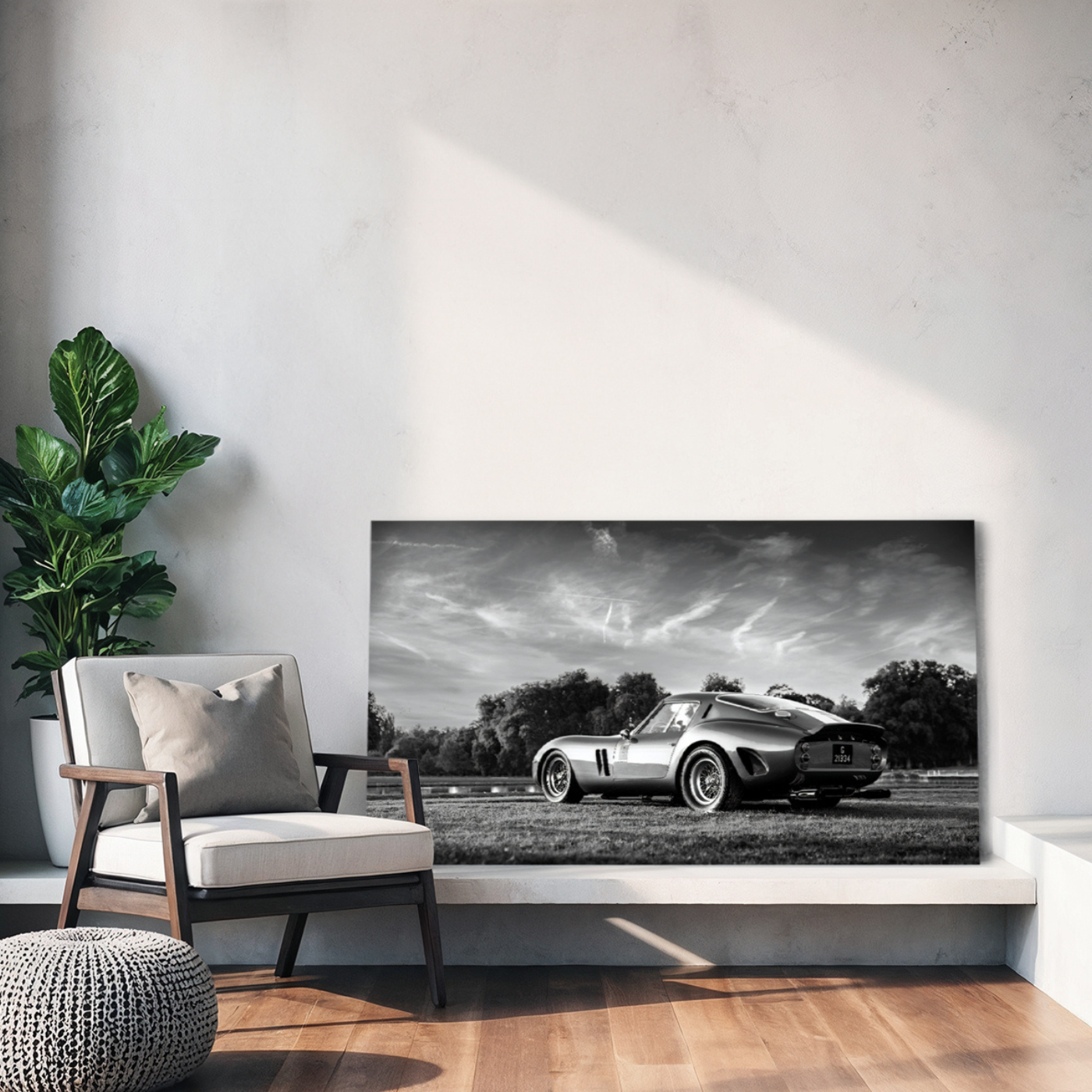
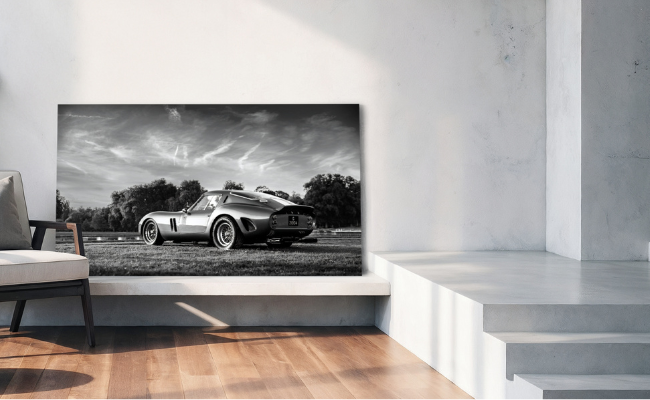
A black and white photograph of a vintage silver Ferrari 250 GTO parked on grass.

ALUMINIUM PRINT

Printed on a 3mm aluminium panel with archival pigment inks. Deep colour saturation, crisp detail, and a soft satin surface with minimal glare. Lightweight, rigid, and built to last for decades without fading or degradation.
Porsche 917 classic racing car

FRAMELESS & READY

The aluminium panel arrives ready to display — no framing required. Lean it on a surface or hang it directly on the wall. The slim edges and clean surface work in any space.

Still Motion Signature
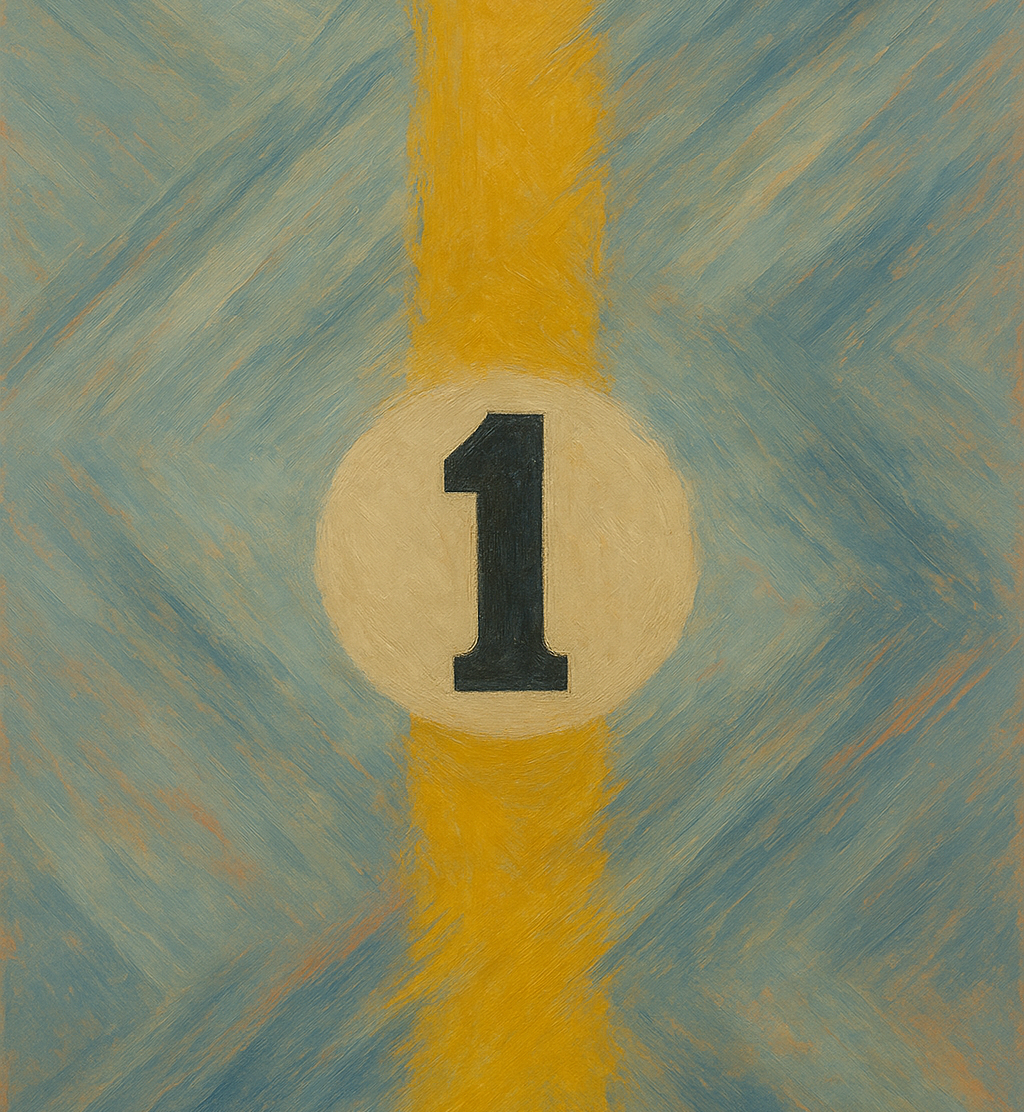
THE GULF LIVERY HAS OUTLIVED THE PORSCHE 917K’S RACING CAREER BY FIFTY YEARS. THIS PHOTOGRAPH MOVES PAST THE CAR TO A SINGLE DETAIL: THE STRIPE. THE LINE OF PAINT THAT CARRIES THE IDENTITY.

An abstract painting featuring a large black number '1' inside a circle

THE CAR NOBODY WANTED TO DRIVE

The Porsche 917 exists because of a loophole. In 1968, the Commission Sportive Internationale announced that prototype engines would be limited to 3.0 litres, but created a new Group 4 sports car category allowing up to 5.0 litres — provided at least 25 units were built for homologation. Porsche, already developing the 3-litre 908, made the decision to build a second car for Group 4. They constructed 25 chassis in ten months. When the CSI inspectors arrived at Zuffenhausen to verify production, all 25 cars were lined up in the factory. The 917 was homologated.

The first tests were alarming. The 917 wandered under braking and was unstable at high speed. None of Porsche’s regular drivers wanted to race it. The car’s debut at Le Mans in 1969 produced speed — it qualified on the front row — but not reliability. The solution came from John Wyer, the former Aston Martin team manager who had run the Gulf-sponsored Ford GT40s to victory at Le Mans in 1968 and 1969. Porsche offered Wyer seven cars on loan, free parts, and priority on all new developments. Wyer accepted. His engineers redesigned the rear bodywork, creating the Kurzheck — short tail — configuration that solved the stability problem. The 917K was born.

The Porsche 917K’s first race was the 1970 24 Hours of Daytona. John Wyer’s Gulf team finished first and second, breaking the distance record by 190 miles. That season, the 917K won seven World Championship races. At Le Mans, it was the red and white Porsche Salzburg car of Hans Herrmann and Richard Attwood that took Porsche’s first overall victory — not the Gulf cars, all three of which retired. But John Wyer’s operation dominated everywhere else: Brands Hatch, Monza, the Targa Florio, Spa-Francorchamps, Watkins Glen.

The 1971 season was equally devastating. The 917K won six more championship races. The engine, originally 4.5 litres producing 520 horsepower in 1969, had been enlarged through 4.9 litres to a full 5.0 litres producing 630 horsepower. A magnesium-chassied 917K won Le Mans outright. By the end of 1971, Porsche had won every prize available in sports car racing. The FIA then banned Group 5 cars from the World Championship, limiting engines to 3.0 litres for 1972. The 917’s era was over in the championship — though a turbocharged version, the 917/30, would go on to dominate Can-Am so completely that the series collapsed.

Steve McQueen filmed the 917K at Le Mans in 1970. His production company, Solar Productions, used actual race footage alongside dramatised sequences shot on the circuit over the following months. The Gulf-liveried 917K — number 22 — crosses the line first in the film, driven by co-star Christopher Waite as McQueen’s character sacrifices his own chances for a team victory. The film sealed the Gulf 917K’s place in popular culture permanently. The sky blue and orange livery, designed for John Wyer’s team by Gulf Oil, became the most recognised colour scheme in the history of motorsport.

This photograph strips the Porsche 917K to a single element: the yellow sponsor stripe. Photographed at Espíritu de Montjuïc during Peter Auto’s historic racing programme at Circuit de Barcelona-Catalunya, the image moves past the car’s silhouette to isolate a line of paint against darkness. The Gulf livery has been reproduced on merchandise, models, and replica cars for fifty years. This photograph asks what happens when you remove everything except the graphic itself — when the identity of the car is reduced to a stripe, a colour, and a surface. On aluminium, the yellow gains a sharpness and a metallic edge that makes the stripe feel applied to the substrate rather than printed on it.

Our Curation

This piece exists because of a friendship with Quentin Martinez, a photographer who understands that the most recognisable cars sometimes reveal more at close range than at full distance. The Porsche 917K was photographed at Espíritu de Montjuïc with access to the car at rest, isolating the yellow sponsor stripe against the darkness of the bodywork.

From a larger body of work, this frame was selected for the tension between abstraction and recognition — the viewer knows this is a 917K not because the car is visible, but because the stripe is enough. On aluminium, the yellow responds to the metallic substrate with an edge and precision that reinforces the graphic quality of the composition.

The result is not a reproduction. It is a perspective.

GOING DEEPER

COLLECTING

What it means to own a Still Motion edition — the standard, the certificate, the care.

What collectors should know

committed

The principles behind every piece we produce and every decision we make.

Our commitments

Why We Choose Aluminium

Vibrant & Luminous

Metal holds light differently. Colours reach a depth and intensity that paper cannot replicate — because aluminium doesn't just carry the image. It shares its DNA with the subject.

Built to Last

A 3mm archival panel, resistant to fading and built for real spaces. These are not posters. They are made to outlast the walls they hang on.

Modern & Frameless

No frame competes with the image. Slim edges, clean surface — leaned against a sideboard or mounted with spacers, the photograph owns the room.
Cinematic motion blur of a racing car at speed, capturing the raw emotion of motorsport for Invictus Heights.
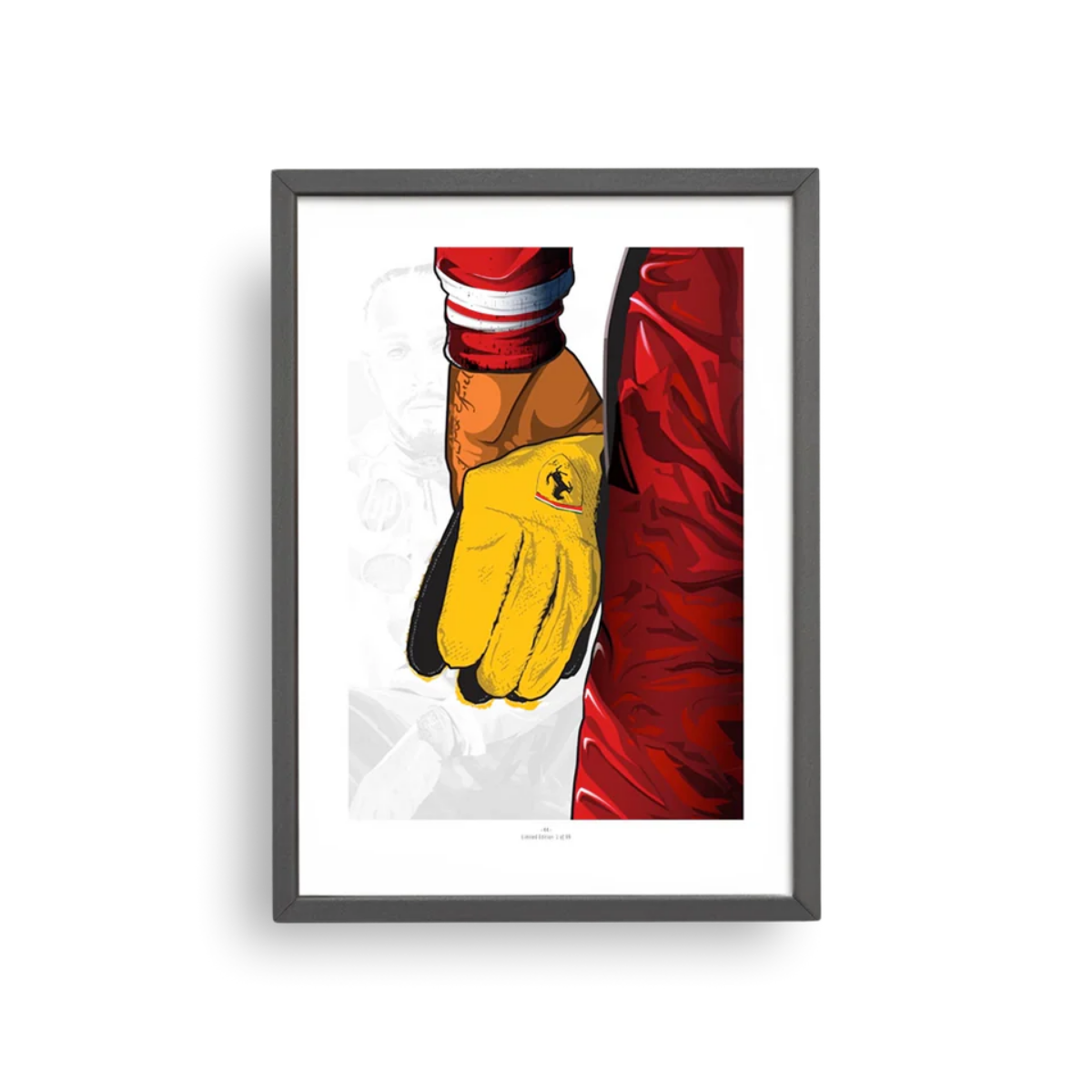
Exclusive Lewis Hamilton and Ferrari automotive art, a limited edition of 99 museum-quality prints by Invictus Heights.

”A true collector’s piece — worthy and immediate addition to my collection.”

— A Ferrari Collector, Italy

Explore work
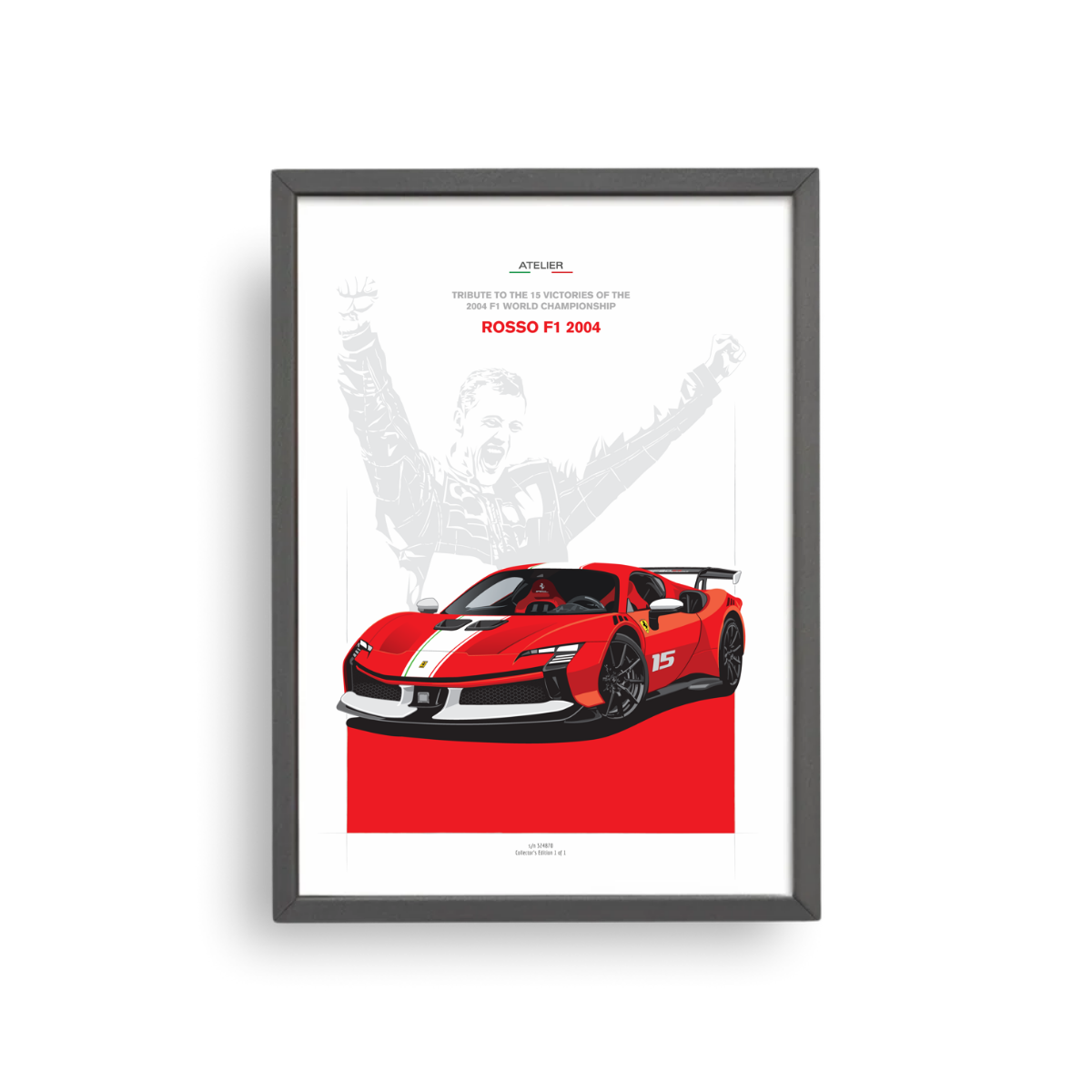
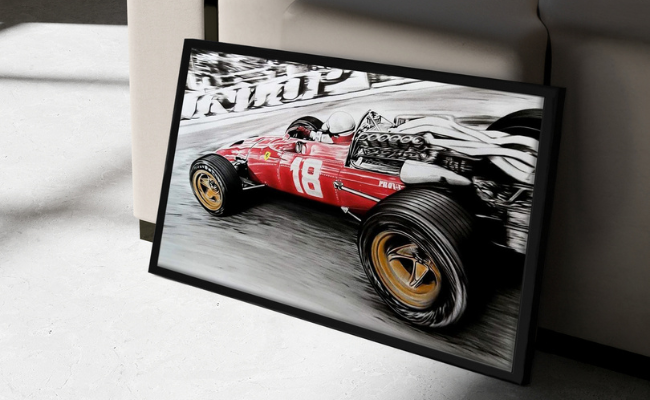
Bespoke Still Motion fine art commission featuring a Ferrari F1 tribute, custom-made for a private collector.

”Pure passion. This artwork captures the very soul of motorsport."

— A Ferrari Collector, France

Learn more
Close-up of brushed aluminum, highlighting the depth and light play of Invictus Heights limited edition automotive art.

MAINTENANCE TIPS

CARING FOR YOUR ALUMINIUM PRINT

Aluminium panels were first developed for demanding outdoor use, then adopted for high-end photography and art prints. When handled with care and kept away from harsh chemicals and extreme sunlight, they are made to last for decades.
To keep your Still Motion piece at its best, dust it occasionally with a soft, dry microfiber cloth. Avoid glass cleaners, abrasive sponges, and direct sunlight or very humid spaces for long periods.