Skip to content

Cart

Your cart is empty

Hotel Belvédère — Furka Pass

QUENTIN MARTINEZ

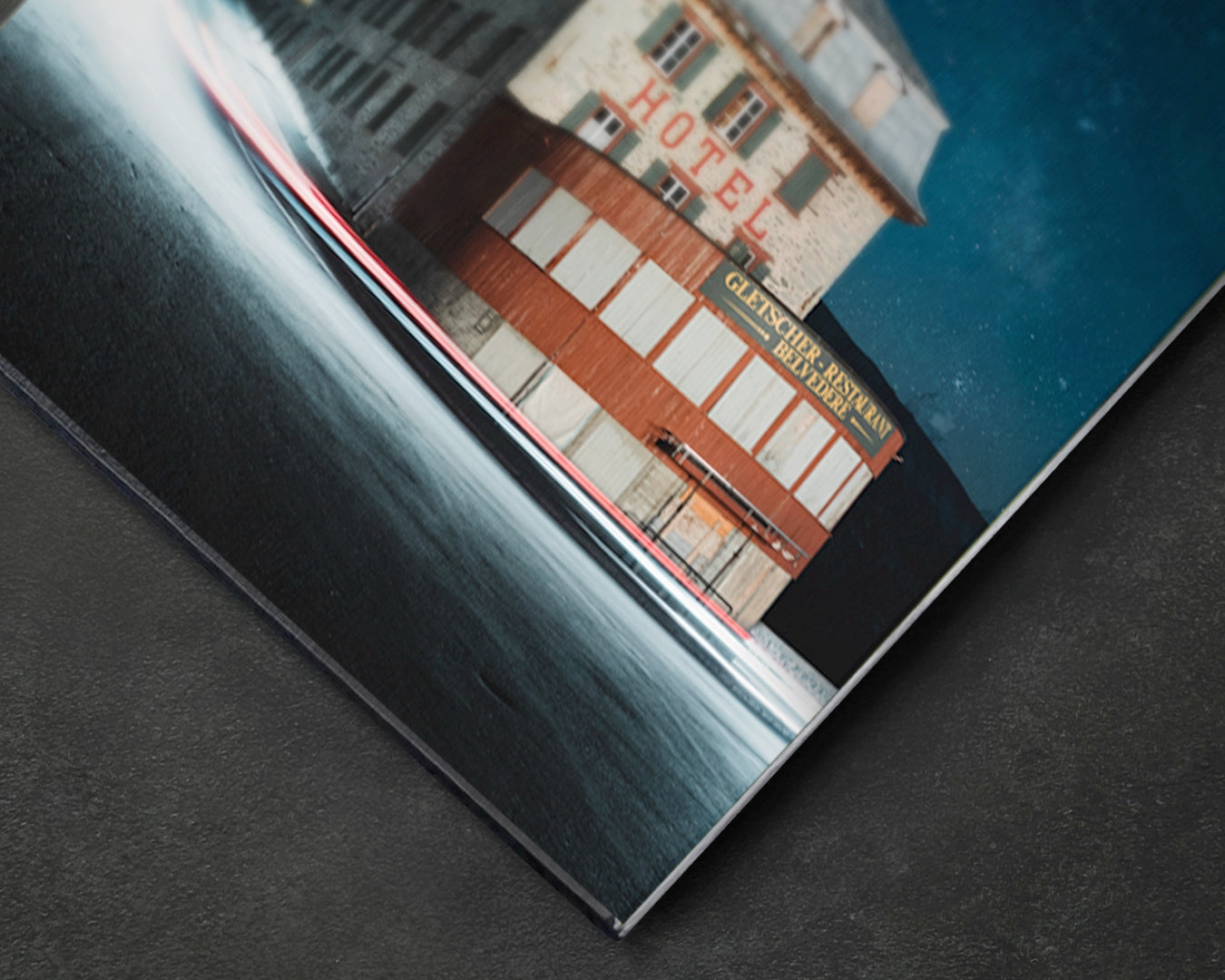
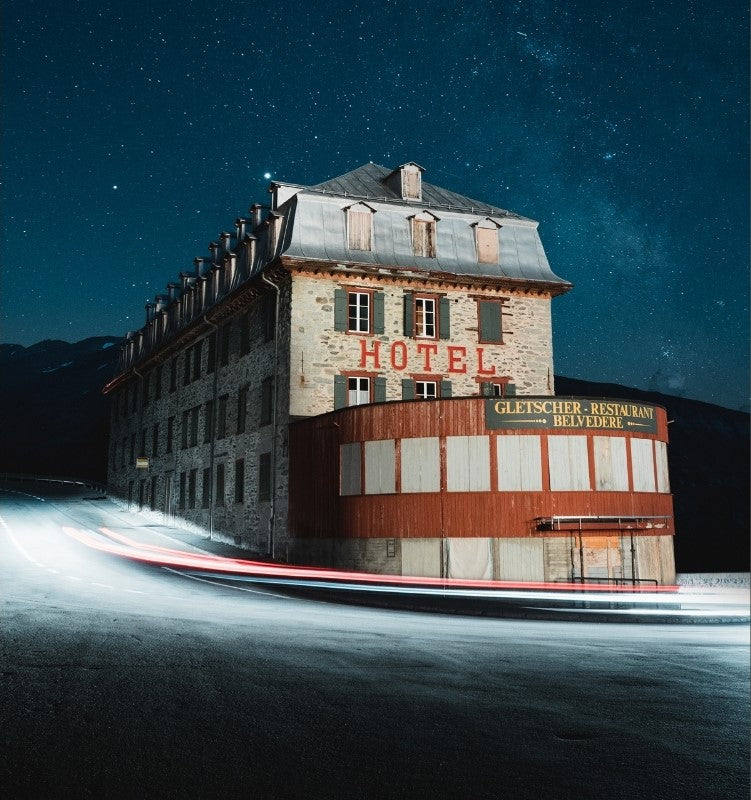
The Hotel Belvédère was built in 1882 in a hairpin bend on the Furka Pass, 2,429 metres above sea level. It once overlooked the Rhône Glacier and hosted Sean Connery, who insisted on using this pass as a location for Goldfinger in 1964. Today, the glacier has retreated, the hotel is barricaded, and its windows are boarded. It stands as a silent monument to a golden era of alpine travel.

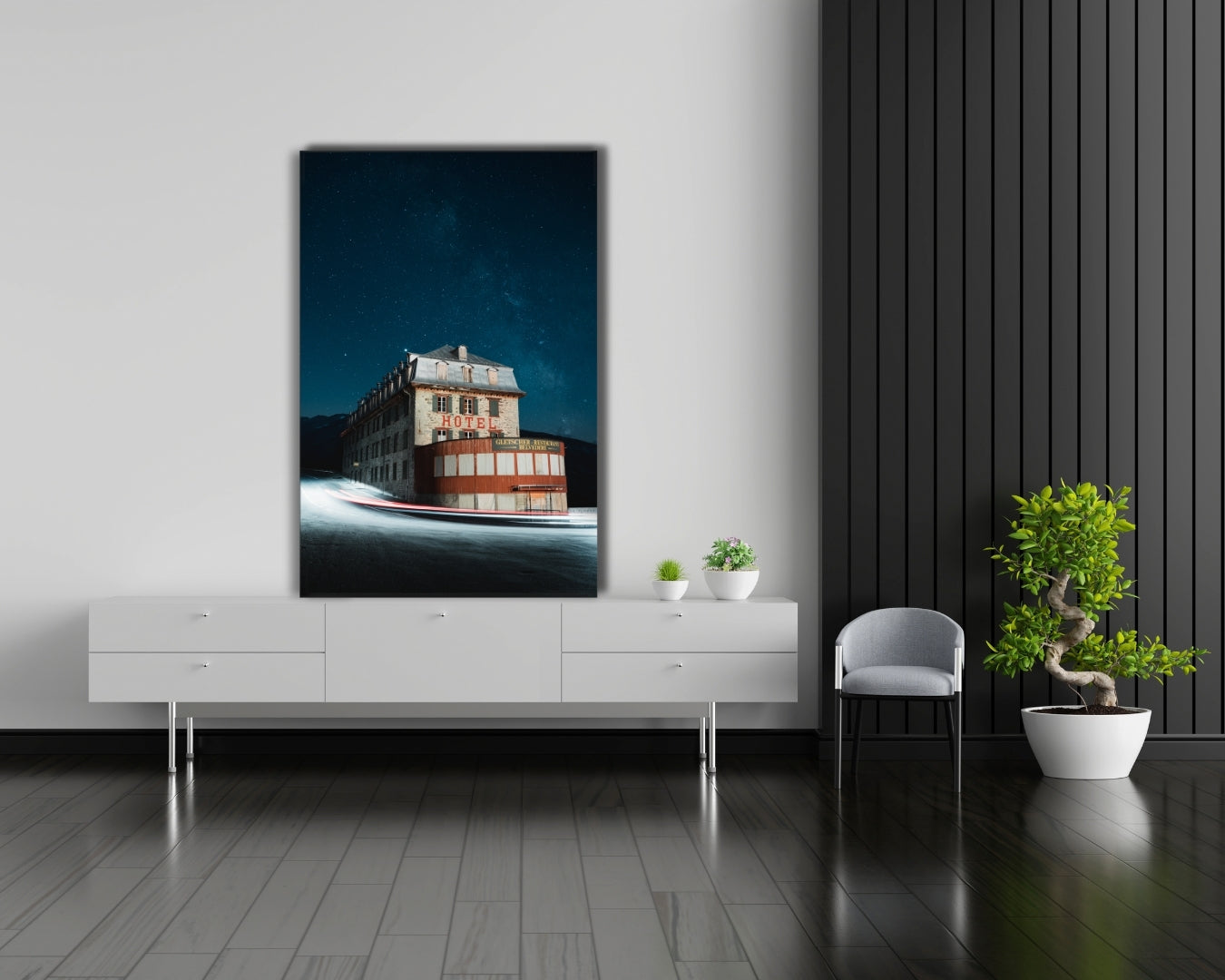
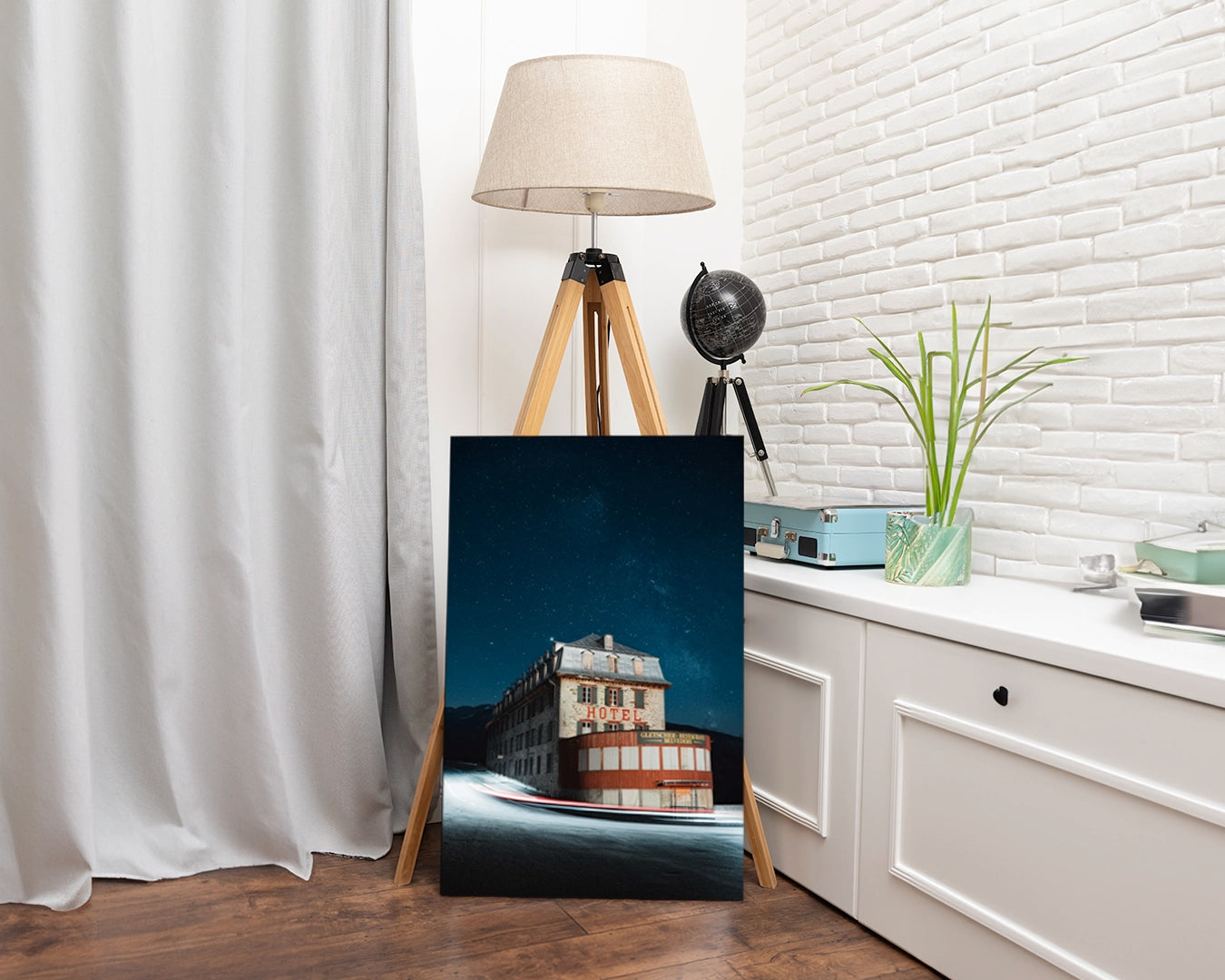
This is a long-exposure photograph taken at night. At the base of the frame, the headlights and tail lights of a passing car trace sharp white and red lines through the darkness, cutting through the stillness of the mountain air. It is a dialogue between the speed of the present and the frozen history of the pass.

A study in the silent legacy of the alpine road.

Limited edition archival aluminium print. Signed and numbered. Edition of 25. Made in Italy.

Limited Edition (25 pcs)

Made in Italy

Archival Aluminum Print

Ready to Hang


Size:
SIZE GUIDE & MATERIAL SPECIFICATIONS

FINE ART PAPER PRINTS We use Hahnemühle Photo Rag 308gr — a 100% cotton, museum-grade paper from one of the world’s oldest fine art paper mills (founded in 1584). Every piece is Giclée printed with archival pigment inks to ensure deep, stable tones that will last for generations.

  • A3 (30 × 42 cm): Framed in a slim, elegant pine profile.

  • A2 (42 × 60 cm): Framed in a Premium Tiglio (lime wood) profile, hand-painted black.

  • Statement Piece (85 × 60 cm): Framed in a Premium Tiglio (lime wood) profile, hand-painted black.

All framed prints are finished with museum-grade acrylic glazing (plexiglass), the standard material used by galleries worldwide for safe transport, superior clarity, and lasting protection. The framed option adds a small, refined outer border beyond the print size.

ALUMINUM PRINTS Offered in two large-scale formats:

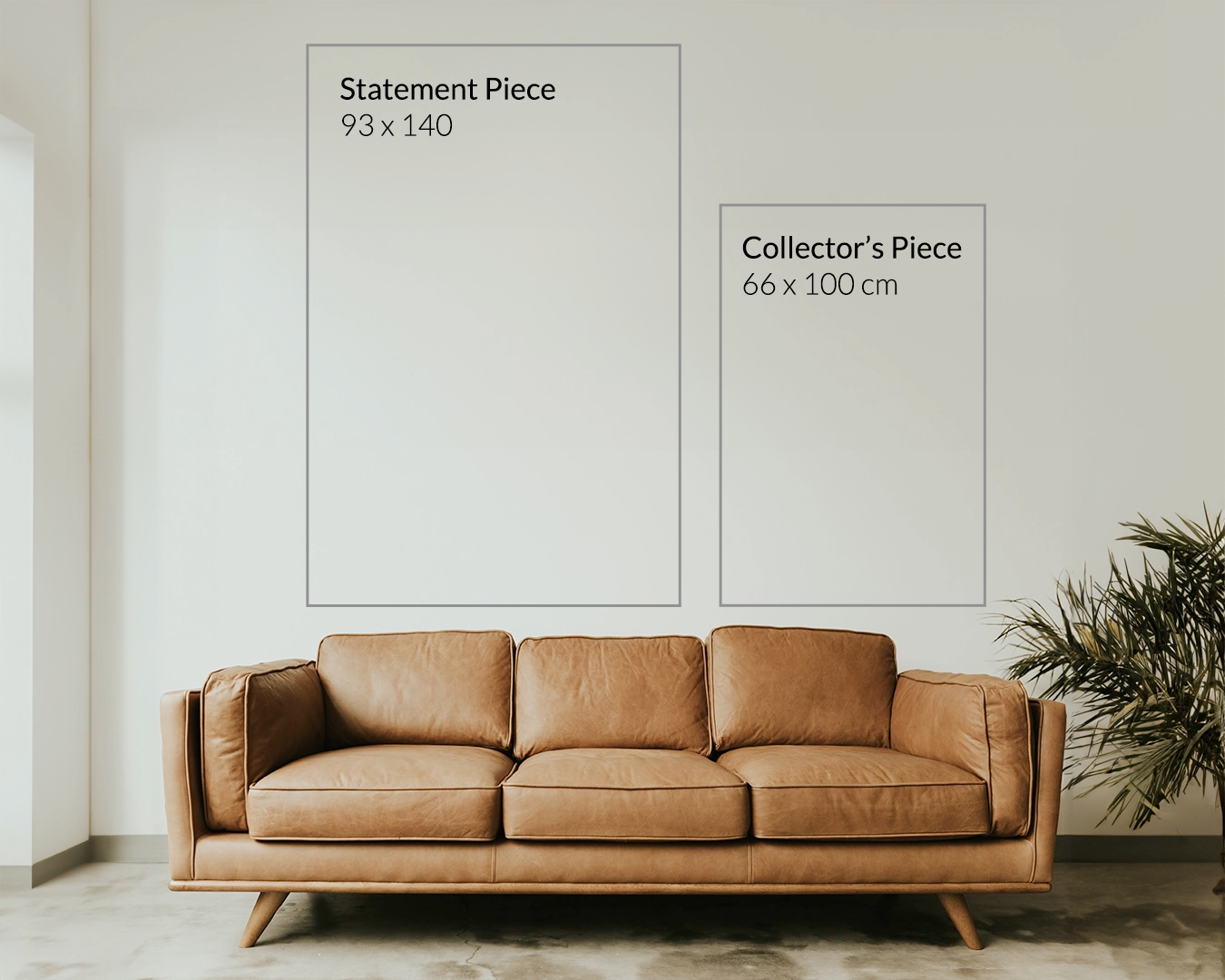
  • Collector’s Piece (approx. 100 cm wide)

  • Statement Piece (approx. 140 cm wide)

Printed on a 3 mm aluminum panel, finished on a white or brushed aluminum base (depending on what best elevates the image). Height varies by artwork — please refer to the specific product images for exact dimensions.

Aluminum Display Notes: For large formats, we recommend leaning the piece. If wall-mounted, use professional hardware suitable for the weight and surface.

Click here for more

Sale price€596,00

Dispatched within 5–7 days · Free shipping Europe

100% Satisfaction Guarantee. Quality art, printed in Italy. Safe, insured shipping.

Long exposure night photograph of the Hotel Belvédère on the Furka Pass with car light trails on the mountain road and the Milky Way above
Hotel Belvédère — Furka Pass Sale price€596,00

ALUMINIUM PRINT

Edition Details

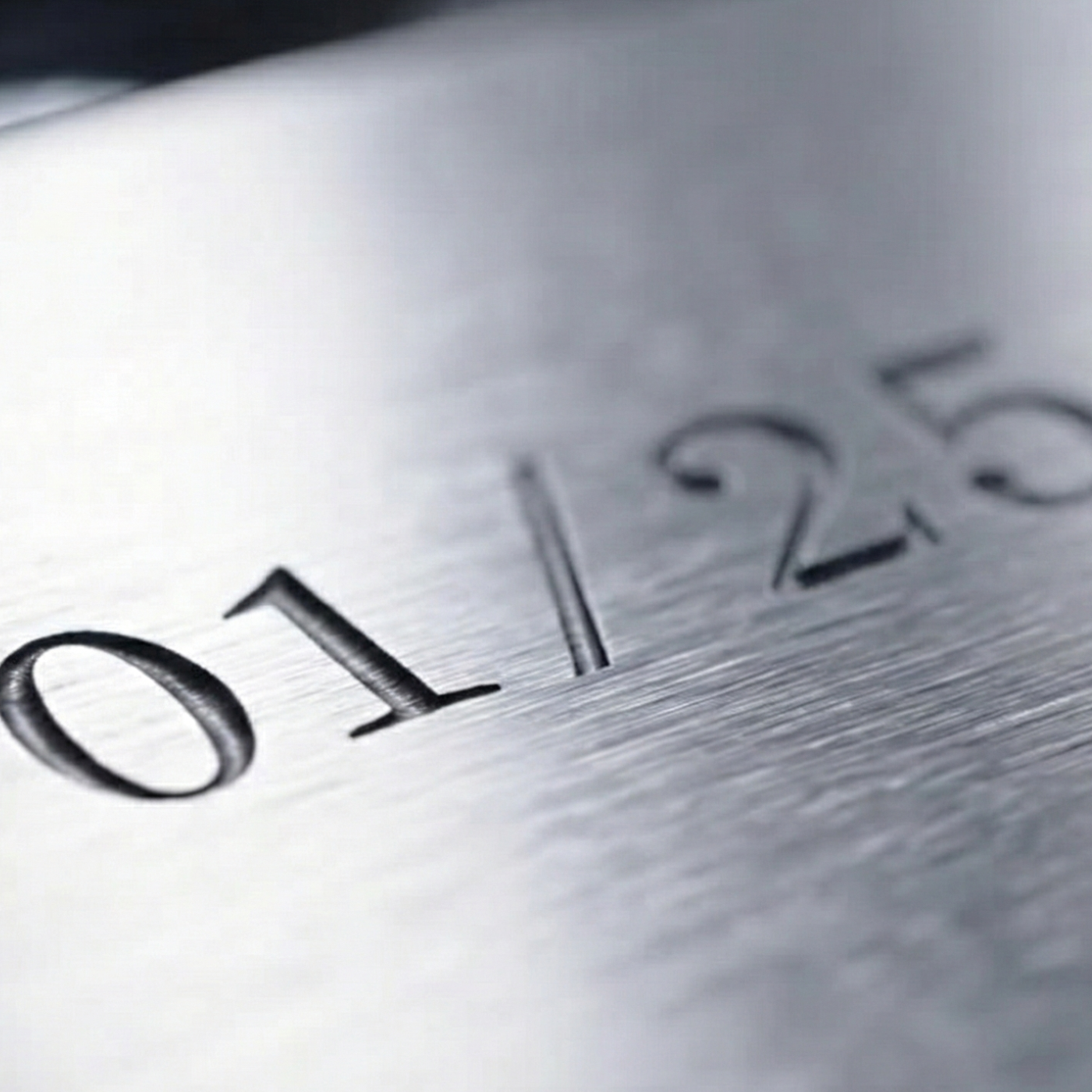
Close-up of '01/25' engraved on a brushed metallic surface

ONLY 25 PRINTS

Each piece is part of a strictly limited edition of 25 — shared across both sizes combined. Every certificate reads 1 of 25. The edition is not divided by size or format. Every buyer owns the same piece.
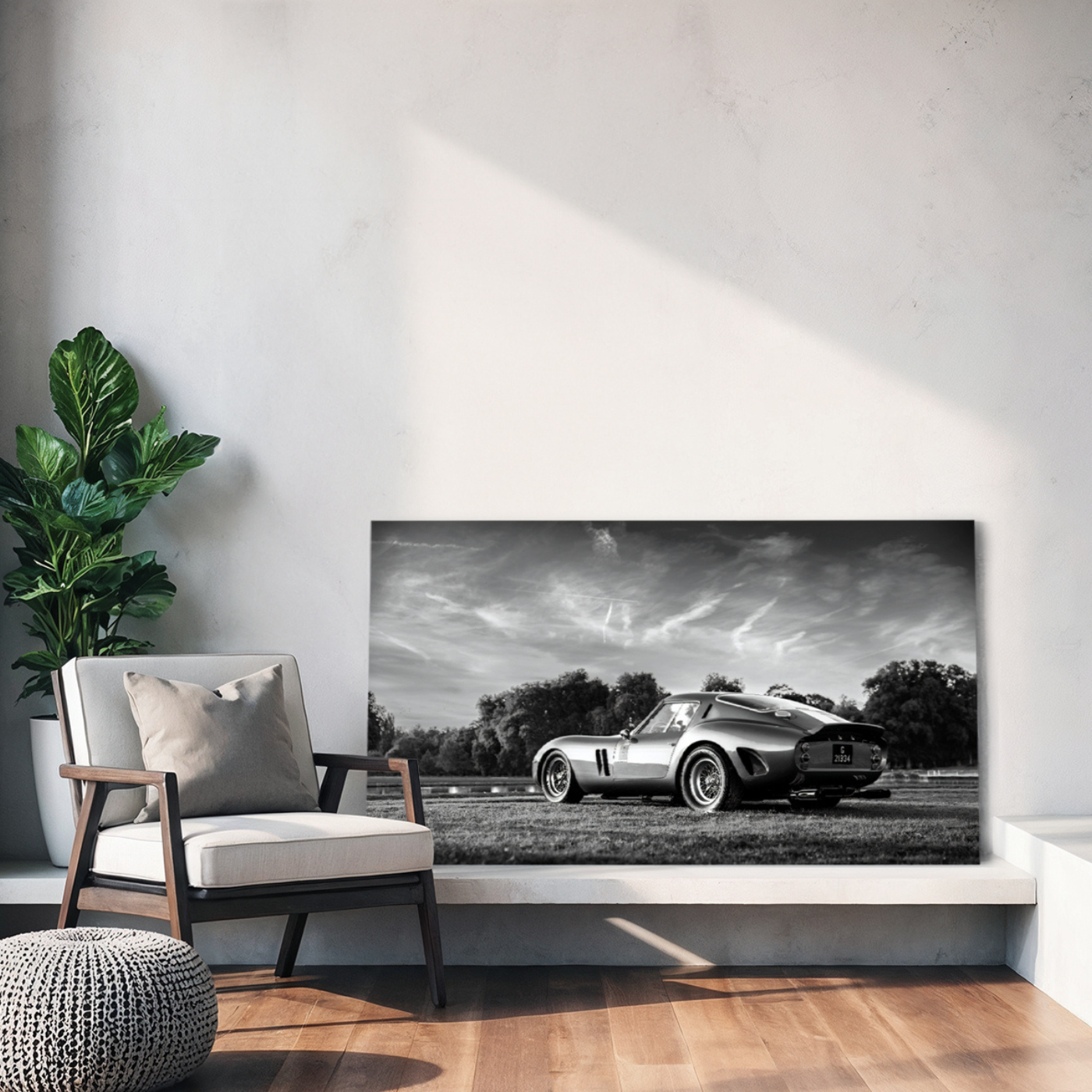
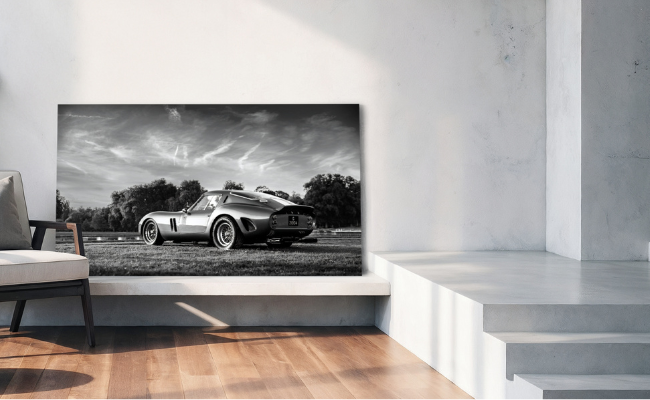
A black and white photograph of a vintage silver Ferrari 250 GTO parked on grass.

ALUMINIUM PRINT

Printed on a 3mm aluminium panel with archival pigment inks. Deep colour saturation, crisp detail, and a soft satin surface with minimal glare. Lightweight, rigid, and built to last for decades without fading or degradation.
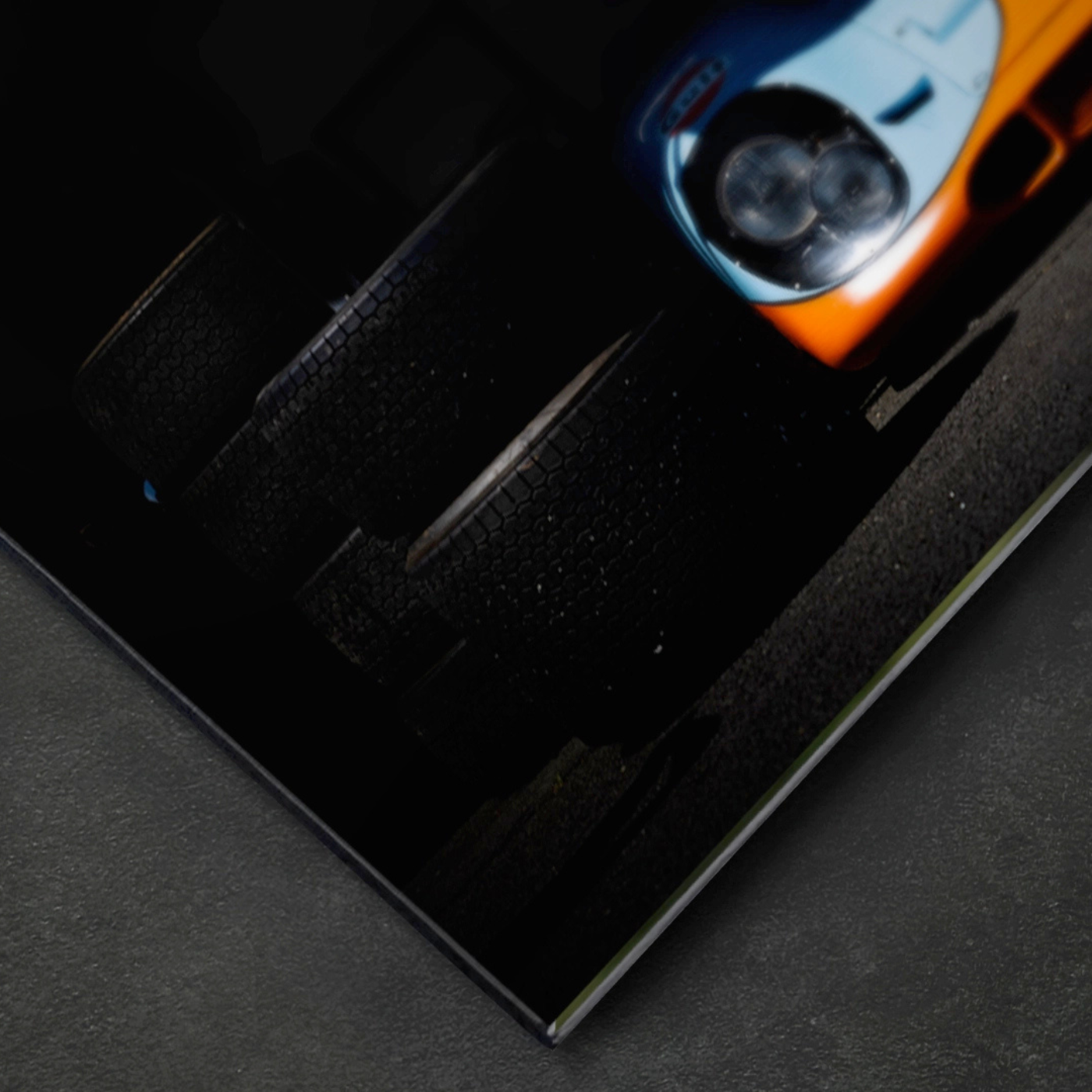
Porsche 917 classic racing car

FRAMELESS & READY

The aluminium panel arrives ready to display — no framing required. Lean it on a surface or hang it directly on the wall. The slim edges and clean surface work in any space.

Still Motion Signature
BUILT IN 1882 IN A HAIRPIN BEND ON THE FURKA PASS. SEAN CONNERY INSISTED ON THE LOCATION FOR GOLDFINGER IN 1964. THE GLACIER HAS BEEN RETREATING EVER SINCE. THE HOTEL CLOSED IN 2016. THE ROAD IS STILL OPEN FIVE MONTHS A YEAR.

GLETSCHER RESTAURANT BELVEDERE

THE HOTEL THAT OUTLIVED THE GLACIER

The Furka Pass road was opened between 1866 and 1867, connecting the Valais valley to the canton of Uri through the high Swiss Alps at 2,429 metres above sea level. In 1882, Alexander Seiler — owner of the Grand Hotel Glacier du Rhône — built a lodge for his son in a hairpin bend on the pass road. The Rhône Glacier was a few hundred metres from the front door. Guests came to see the ice. A second expansion in 1890 added the gable roof and upper floors that gave the Hotel Belvédère its current silhouette. By 1903, it had become a Belle Époque destination with panoramic views of the glacier and the valley below.

The hotel’s first golden age came with the arrival of the postal bus in 1921 and two new railway lines — the Furka Oberalp Railway and the Glacier Express — in 1930. Its second came after World War II, when the personal automobile turned the Furka Pass into one of the most famous driving roads in Europe. The hotel welcomed Pope John XXIII and Sean Connery among its guests. Connery became a regular, and when the producers of Goldfinger needed a location for the pursuit of Auric Goldfinger’s Rolls-Royce by Bond’s Aston Martin DB5, it was Connery who insisted on the Furka Pass. The film was shot there in July 1964. A curve on the east side of the pass was renamed James Bond Strasse.

The decline began with the opening of the Furka Base Tunnel in 1982. Traffic that had previously crossed the pass now bypassed it entirely, removing the commercial foundation of every hotel on the route. The Rhône Glacier, meanwhile, was retreating — ten centimetres per day, year after year. The ice grotto that had drawn tourists since the 1870s became unsafe. The glacier that had once reached the hotel’s doorstep withdrew until it was barely visible from the pass road. The hotel closed for the first time in 1980, reopened in 1990, and closed permanently in 2016. Today its windows are boarded, its doors barricaded, and the Rhône Glacier is covered in UV-resistant fleece blankets to slow the melt.

The Furka Pass remains one of the most iconic mountain roads in the world. It is open from approximately June to mid-October, depending on weather. The Hotel Belvédère still stands in its hairpin bend — closed, empty, its mansard roof and stone facade unchanged, its panoramic restaurant stacked with chairs, its grandfather clock stopped at quarter to three. Visitors still pull over to photograph it. The NZZ called it the most recognisable abandoned building in Switzerland. The cover of the bestselling book Accidentally Wes Anderson features the hotel’s frontage. Red Bull filmed drivers drifting around it; the video went viral.

This photograph captures the Hotel Belvédère at night, using a long exposure to trace the headlights and tail lights of a passing car around the hairpin. The light trails arc through the darkness while the hotel stands motionless between the road and the sky. Above, the Milky Way is visible in its entirety — a clarity of sky only possible at 2,400 metres, far from any light pollution. On aluminium, the night sky gains a depth and luminosity that paper cannot achieve. The stars register as points of light on a metallic surface. The car’s trace of speed becomes a line drawn across the mountain. The hotel remains.

Our Curation

This piece exists because of a friendship with Quentin Martinez, a photographer who understands that some locations require darkness to tell their story. The Hotel Belvédère was photographed at night on the Furka Pass, using a long exposure to capture both the trace of a passing car and the full arc of the Milky Way above the hotel.

From a larger body of work, this frame was selected for the vertical composition that connects road, building, and sky in a single image. The aluminium format was chosen because the night sky and the light trails respond to the metallic substrate with a depth and luminosity impossible to achieve on paper — the stars become points of light on a reflective surface, and the darkness gains dimension.

The result is not a reproduction. It is a perspective.

GOING DEEPER

COLLECTING

What it means to own a Still Motion edition — the standard, the certificate, the care.

What collectors should know

committed

The principles behind every piece we produce and every decision we make.

Our commitments

Why We Choose Aluminium

Vibrant & Luminous

Metal holds light differently. Colours reach a depth and intensity that paper cannot replicate — because aluminium doesn't just carry the image. It shares its DNA with the subject.

Built to Last

A 3mm archival panel, resistant to fading and built for real spaces. These are not posters. They are made to outlast the walls they hang on.

Modern & Frameless

No frame competes with the image. Slim edges, clean surface — leaned against a sideboard or mounted with spacers, the photograph owns the room.
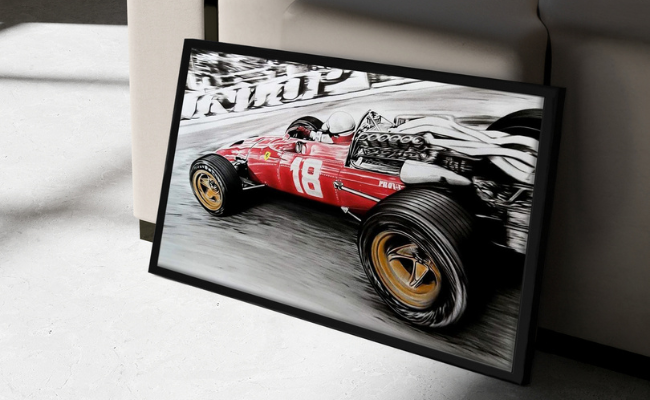
Cinematic motion blur of a racing car at speed, capturing the raw emotion of motorsport for Invictus Heights.
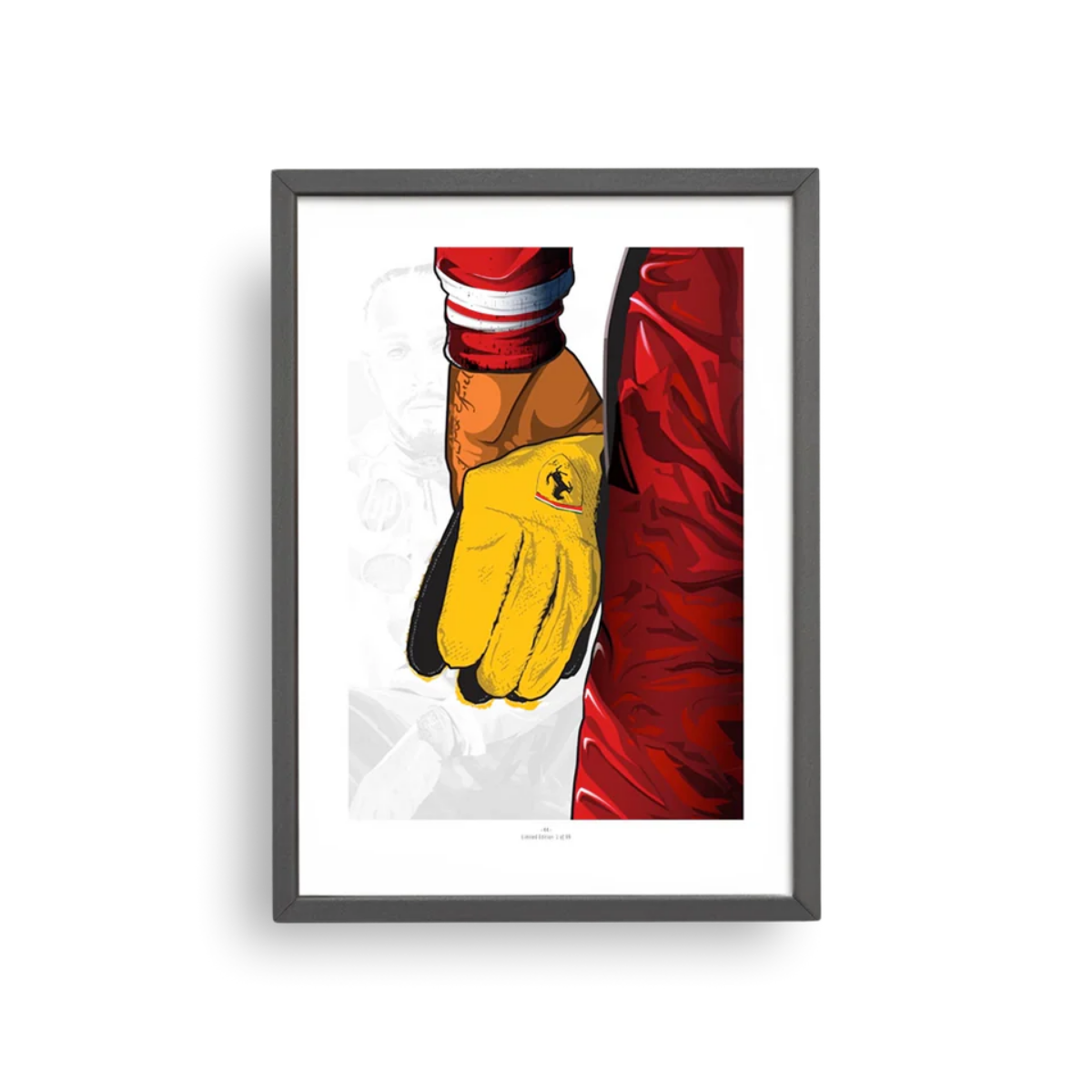
Exclusive Lewis Hamilton and Ferrari automotive art, a limited edition of 99 museum-quality prints by Invictus Heights.

”A true collector’s piece — worthy and immediate addition to my collection.”

— A Ferrari Collector, Italy

Explore work
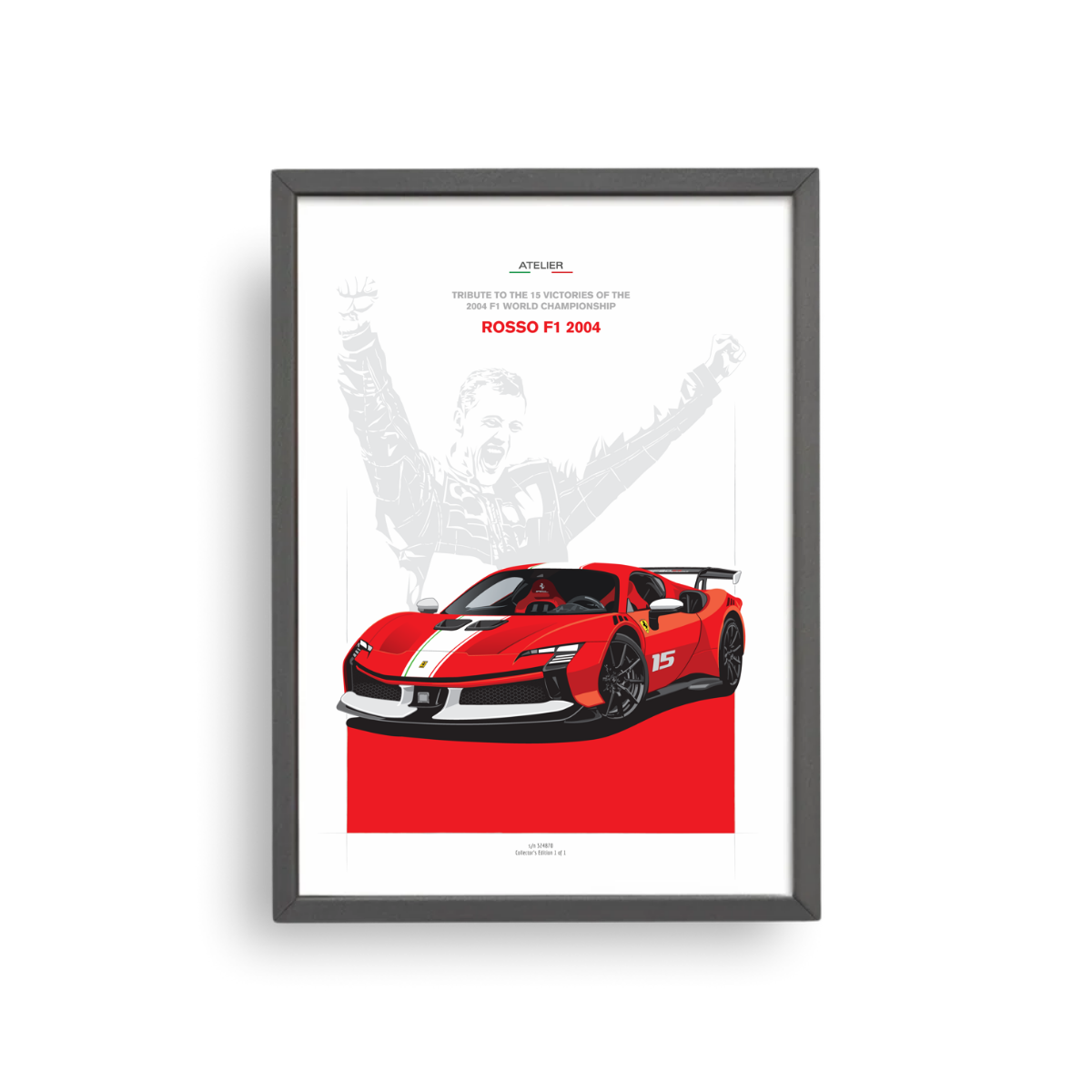
Bespoke Still Motion fine art commission featuring a Ferrari F1 tribute, custom-made for a private collector.

”Pure passion. This artwork captures the very soul of motorsport."

— A Ferrari Collector, France

Learn more
Close-up of brushed aluminum, highlighting the depth and light play of Invictus Heights limited edition automotive art.

MAINTENANCE TIPS

CARING FOR YOUR ALUMINIUM PRINT

Aluminium panels were first developed for demanding outdoor use, then adopted for high-end photography and art prints. When handled with care and kept away from harsh chemicals and extreme sunlight, they are made to last for decades.
To keep your Still Motion piece at its best, dust it occasionally with a soft, dry microfiber cloth. Avoid glass cleaners, abrasive sponges, and direct sunlight or very humid spaces for long periods.